



Press Releases
The Phase IIA part of the clinical trial is designed to evaluate different dosage regimens of the oral gummies for the treatment of different severity levels of the Ebola Bundibugyo virus infection and disease in the current Ebola Outbreak in the Democratic Republic of Congo (“DRC”).
The trial is enrolling and is expected to continue enrolling persons exhibiting different disease severity levels, in the “Dry Stage” and “Wet Stage”. The clinical symptoms of the Ebola BDBV disease are complex, and possibly different from prior Ebola virus outbreaks, as explained in the footnote 1.
Patients are known to come to the Ebola Treatment Centers only when they feel severely ill. Therefore, we are anticipating mostly “Wet Stage” patients, with severe vomiting and diarrhea, to be the primarily enrolled population. Some patients may not be able to take the oral gummies due to vomiting bouts and may be withdrawn; such subjects would not be considered as evaluable if enrolled.
The Phase IIA part of the trial is designed to examine the safety and tolerability of NV-387 oral gummies dosing in the Ebola patients, and the number of days that the drug is tolerated within the context of the disease, starting at 6 days of dosing, and extending by 3 day increments to a maximum of 12 days of treatment. The NV-387 treatment will be stopped when the patient’s viral load has become undetectable based on qRT-PCR. Efficacy is not expected to be evaluated in a scientific, statistically significant, manner in such an adaptive treatment scenario. Therefore, and with due ethical consideration, a parallel group of no NV-387 treatment is excluded in this exploratory Phase IIA part.
Nevertheless, an efficacy signal can be seen even in this small clinical trial with up to 20 subjects, if NV-387 is highly effective. This can happen if the data of 20 subjects treated with NV-387 is found to be sufficient to statistically discriminate the NV-387 treated group from the general observations of treatment of Ebola patients in the Ebola Treatment Centers in the same area. Ebola Patients in this area have generally experienced an infection-to-fatality rate (IFR) of 67% to 75%. The IFR corrects the data for the fact that the infected person dies on an average about three weeks later, and therefore is a more accurate representation of reality than the crude Case Fatality Rate (CFR) 2.
The Company will be able to make an announcement regarding (i) whether NV-387 is found to be sufficiently safe and well tolerated to continue into Phase IIB, and, (ii) if NV-387 group is well discriminated from the general expectation of 67-75% IFR, then whether NV-387 oral gummies treatment demonstrated signs of efficacy against the Ebola Bundibugyo virus; after the Phase IIA clinical trial is completed and a report is prepared by the Principal Investigator’s team for formal communication.
After an appropriate NV-387 Oral Gummies dosage regimen is identified, it will be used in an expanded, randomized, controlled clinical trial, Part IIB, to evaluate effectiveness of the Oral treatment drug NV-387 Oral Gummies.
NV-387 is designed to attack the virus and reduce the viral load in the body.
Reducing viral load correlates with improvement in physiological function. Reduction in viral load to undetected level means complete recovery from the viral disease. However, the bodily functions, may take longer time even after reaching undetectable viral load, as the virus-attacked organs rejuvenate. It is also possible that some permanent damage, e.g. kidney damage, may persist even after virological recovery.
The current BDBV outbreak has continued to expand, with 9,000 confirmed cases and 4,339 deaths as of October 10, 2026, according to the WHO 3, with all but a few cases in DRC. An Ebola patient was able to travel from DRC via Uganda to Kenya, and died at home there recently, despite travel
restrictions. Fortunately after a week, no secondary infections from this patient have been detected (yet). This emphasizes the potential risk to the world, although the possibility of an Ebola outbreak in the USA or globally remains negligible, because of various global travel restrictions.
Within DRC, while the initial outbreak sites including Ituri have possibly stabilized, the outbreak has started gaining strength in Nord Kivu province with 40% of national confirmed cases now coming from Nord Kivu, which does not have sufficient ebola treatment centers capacity, with only 29 beds in treatment center, and only about 20 “transit facility” beds for holding suspected cases until diagnosis results come in, according to Doctors Without Borders 4. Recently, thousands of refugees fled from a refugee camp where more than 30 people had died from Ebola BDBV, to escape from security forces that
were investigating weapons stored in the camp. Their fleeing has increased the risk of spread 5.
Additionally, 6 new Ebola cases were recorded in an Eastern part of DRC controlled by rebel groups, further complicating efforts to control the outbreak 6.
The USA has been, laudably, and proudly, the largest provider of humanitarian and relief assistance in this outbreak, with almost $1.4 Billion in contributions. The USA has already provided $887 Million, and has pledged another $500 Million, of which $267 million has been released, according to the US Department of State 7.
There is no current threat of Ebola in the USA. The US Government is active in ensuring that suspected or confirmed ebolavirus cases do not enter the general population in the USA. To this end, travel from DRC has been restricted, with pre-travel quarantine requirements imposed, and suspect travelers are directed to screening at specific airports and may be further quarantined.
Travelers going to and from Central Africa need to constantly check travel restrictions as well as travel limitations in light of these changing outbreak conditions. It is apparent that travel restrictions have been able to control the outbreak periphery to DRC alone (with few early cases in Uganda) minimizing risk to the rest of the world.
There is no approved Treatment or Vaccine for the new variant of the Bundibugyo Ebolavirus (BDBV) that is causing the current rapidly expanding outbreak of the Ebolavirus Disease (EVD) in DRC. The rare Bundibugyo strain of Ebola virus causing the current outbreak appears to be its new variant, likely freshly introduced from some animal source 8, such as fruit bats.
NV-387 is a broad-spectrum antiviral that mimics the host-side features that the virus requires, and is likely to be effective against Ebola viruses because they use the same host-side feature mimicked by NV-387.
NV-387 Oral Gummies is a drug product readily delivered orally. It does not even require swallowing effort or water, because it dissolves in the mouth by itself, simplifying delivery for even sick individuals with swallowing difficulties.
This oral delivery is an important feature that puts NV-387, a broad-spectrum antiviral, as being superior to the other approaches.
“Only safe and effective broad-spectrum antiviral drugs like NV-387 that can effectively tackle most viral infections will enable the world to combat viruses and defend the global population in the war against known and unknown nanoscopic enemies that are viruses,” commented Dr. Diwan, adding, “Today, NV-387 is the only drug in clinical development with such broad-spectrum potential that promises to combat diverse epidemics like Mpox and Ebola, and even Measles, to the best of our knowledge.”
The outbreak which was declared a Public Health Emergency of International Concern (“PHEIC”) by the WHO on May 17, 2026, continues to rapidly expand, outpacing containment efforts. The outbreak arose in a high traffic region bordering the Democratic Republic of Congo (DRC), with travel contacts to Uganda, and South Sudan and with 11 more nations in Africa at risk 9.
NV-387 is a broad-spectrum antiviral that mimics the host-side feature called heparan sulfate proteoglycan (HSPG) that over 90-95% of human pathogenic viruses require for infecting cells. No matter how much the virus changes in the field, it continues to use HSPG, and therefore it cannot escape
the drug NV-387. In contrast, Remdesivir is a small molecule inhibitor of the viral RDRP enzyme needed for making copies of the viral genome, and the virus can possibly escape by small number of mutations.
All Ebola viruses utilize HSPG as the attachment receptor prior to gaining entry into the cell. Thereafter, followed by entry into the cell inside endosomes, the ebolavirus surface glycoprotein is substantially degraded, opening up its site for binding to its cognate receptor called NPC1, thereby entering into the cytoplasm where the next steps in its replication begin.
Thus there is a strong rationale that NV-387 could be highly effective against Ebola virus infections, not just Bundibugyo, but also the Sudan and other viruses for which there are no treatments.
All previous anti-Ebola efforts have been focused on vaccines and antibodies 10. This has led to approval of therapies that are specific to the Ebolavirus Zaire strain only, albeit with limited effectiveness. This leaves out all other filoviruses of consequence: Sudan, Marburg, and the more rare Bundibugyo with no treatment or vaccine.
In contrast, if NV-387, as a broad-spectrum antiviral, is found to be effective against the Bundibugyo virus, it will likely be effective against all ebolaviruses and possibly all filoviruses; that would be a game changer for pandemic preparedness.
At present, BDBV has been consistently demonstrating high crude CFR of 48% and IFR of 67% in DRC. Therefore, BDBV is of great concern as a potential pandemic disease. However, it is believed that ebolaviruses do not transmit via respiratory droplets or aerosols and rather require extensive contact with bodily fluids of an infected person. In addition, within DRC and internationally, certain protective quarantine measures for travel from the outbreak areas have been implemented.
Therefore, currently there is no apparent threat of a global pandemic.
With ever-increasing global travel, local outbreaks such as ebola can quickly travel far and wide potentially causing global pandemics, as was the case with COVID-19, if not caught in time. It is not feasible to produce a new vaccine and a new set of antibody drugs to combat every possible virus. Even if vaccines and antibodies are produced, the virus would escape by generating variants, as the world has witnessed during the COVID-19 pandemic.
ABOUT NANOVIRICIDES
NanoViricides, Inc. (the "Company”) (www.nanoviricides.com) is a clinical stage company that is creating special purpose nanomaterials for antiviral therapy. The Company's novel nanoviricide™ class of drug candidates and the nanoviricide™ technology are based on intellectual property, technology and proprietary know-how of TheraCour Pharma, Inc. The Company has a Memorandum of Understanding with TheraCour for the development of drugs based on these technologies for all antiviral infections. The MoU does not include cancer and similar diseases that may have viral origin but require different kinds of treatments.
The Company has obtained broad, exclusive, sub-licensable, field licenses to drugs developed in several licensed fields from TheraCour Pharma, Inc. The Company’s business model is based on licensing technology from TheraCour Pharma Inc. for specific application verticals of specific viruses, as established at its foundation in 2005.
Our lead drug candidate is NV-387, a broad-spectrum antiviral drug that we plan to develop as a treatment of RSV, COVID, Long COVID, Influenza, and other respiratory viral infections, as well as MPOX/Smallpox infections. Our other advanced drug candidate is NV-HHV-1 for the treatment of Shingles. The Company cannot project an exact date for filing an IND for any of its drugs because of dependence on a number of external collaborators and consultants. The Company is currently focused on advancing NV-387 into Phase II human clinical trials.
NV-CoV-2 (API NV-387) is our nanoviricide drug candidate for COVID-19 that does not encapsulate remdesivir. NV-CoV-2-R is our other drug candidate for COVID-19 that is made up of NV-387 with remdesivir encapsulated within its polymeric micelles. The Company believes that since remdesivir is already US FDA approved, our drug candidate encapsulating remdesivir is likely to be an approvable drug, if safety is comparable. Remdesivir is developed by Gilead. The Company has developed both of its own drug candidates NV-CoV-2 and NV-CoV-2-R independently.
The Company is also developing drugs against a number of viral diseases including oral and genital Herpes, viral diseases of the eye including EKC and herpes keratitis, H1N1 swine flu, H5N1 bird flu, seasonal Influenza, HIV, Hepatitis C, Rabies, Dengue fever, and Ebola virus, among others. NanoViricides’ platform technology and programs are based on the TheraCour® nanomedicine technology of TheraCour, which TheraCour licenses from AllExcel. NanoViricides holds a worldwide exclusive perpetual license to this technology for several drugs with specific targeting mechanisms in perpetuity for the treatment of the following human viral diseases: Human Immunodeficiency Virus (HIV/AIDS), Hepatitis B Virus (HBV), Hepatitis C Virus (HCV), Rabies, Herpes Simplex Virus (HSV-1 and HSV-2), Varicella-Zoster Virus (VZV), Influenza and Asian Bird Flu Virus, Dengue viruses, Japanese Encephalitis virus, West Nile Virus, Ebola/Marburg viruses, and certain Coronaviruses. The Company intends to obtain a license for RSV, Poxviruses, and/or Enteroviruses if the initial research is successful. As is customary, the Company must state the risk factor that the path to typical drug development of any pharmaceutical product is extremely lengthy and requires substantial capital. As with any drug development efforts by any company, there can be no assurance at this time that any of the Company’s pharmaceutical candidates would show sufficient effectiveness and safety for human clinical development. Further, there can be no assurance at this time that successful results against coronavirus in our lab will lead to successful clinical trials or a successful pharmaceutical product.
This press release contains forward-looking statements that reflect the Company's current expectation regarding future events. Actual events could differ materially and substantially from those projected herein and depend on a number of factors. Certain statements in this release, and other written or oral statements made by NanoViricides, Inc. are "forward-looking statements" within the meaning of Section 27A of the Securities Act of 1933 and Section 21E of the Securities Exchange Act of 1934. You should not place undue reliance on forward-looking statements since they involve known and unknown risks, uncertainties and other factors which are, in some cases, beyond the Company's control and which could, and likely will, materially affect actual results, levels of activity, performance or achievements. The Company assumes no obligation to publicly update or revise these forward-looking statements for any reason, or to update the reasons actual results could differ materially from those anticipated in these forward-looking statements, even if new information becomes available in the future. Important factors that could cause actual results to differ materially from the company's expectations include, but are not limited to, those factors that are disclosed under the heading "Risk Factors" and elsewhere in documents filed by the company from time to time with the United States Securities and Exchange Commission and other regulatory authorities. Although it is not possible to predict or identify all such factors, they may include the following: demonstration and proof of principle in preclinical trials that a nanoviricide is safe and effective; successful development of our product candidates; our ability to seek and obtain regulatory approvals, including with respect to the indications we are seeking; the successful commercialization of our product candidates; and market acceptance of our products.
The phrases “safety”, “effectiveness” and equivalent phrases as used in this press release refer to research findings including clinical trials as the customary research usage and do not indicate evaluation of safety or effectiveness by the US FDA.
FDA refers to US Food and Drug Administration. IND application refers to “Investigational New Drug” application. cGMP refers to current Good Manufacturing Practices. CMC refers to “Chemistry, Manufacture, and Controls”. CHMP refers to the Committee for Medicinal Products for Human Use, which is the European Medicines Agency's (EMA) committee responsible for human medicines. API stands for “Active Pharmaceutical Ingredient”. WHO is the World Health Organization. R&D refers to Research and Development.
Contact: NanoViricides, Inc.
info@nanoviricides.com
Public Relations Contact: ir@nanoviricides.com
Source: NanoViricides, Inc.
1 Clinical Symptoms of Ebola BDBV
It is thought that it may take several days after contact with a patient’s bodily fluids for the infected person to develop initial symptoms. These symptoms involve fever, headache, muscle aches and pains, and fatigue, called the “Dry Stage” symptoms. They are similar to other prevalent diseases including malaria and typhoid fever. These symptoms may last from a few days to about a week. Thereafter, the disease progresses to the “Wet Stage”, which is characterized by explosive vomiting and severe diarrhea. Anyone who comes in contact with the bodily fluids including caretakers, family members, friends, and healthcare workers, can get infected.
In the Wet Stage, the viral load keeps increasing and multi-organ failure begins progressively, and later, all of a sudden, extensive failure occurs and the patient becomes critical. There is very little possibility that a critical stage patient can survive despite all possible clinical efforts.
Some patients can respond to aggressive treatment during the Wet Phase and enter a recovery phase. Even after the viral load becomes undetectable, and the patient is discharged, overall systemic recovery takes a long time as the bodily systems need to rejuvenate. Some permanent damage such as partial or total kidney failure can occur.
BDBV primarily and severely affects the liver function, kidney function, and the blood system function, in addition to the gastrointestinal system. Its effects on the coagulation system can lead to hemorrhages in some but not all patients.
2 Crude CFR is easy to calculate but IFR is a more accurate measure of probability of death.
The Crude CFR is calculated simply by dividing the confirmed deaths by the confirmed number of cases on the same reporting date. It ignores the fact that the deaths are actually occurring in patients that were confirmed infected several days earlier; i.e. the time lag of sickness is not accounted for in the crude CFR. If it is accounted for, the actual fatality rate per confirmed infection (Infected Fatality Rate or IFR) would be much higher than the crude CFR. For example, if one assumes an average time lag of 21 days (Aug 14 to Sept 5), then the IFR on September 5 would be (3,175/4,945 = ) 64%. Not all infections are reported or confirmed by lab tests; however, it is likely that most deaths are counted. This produces a large uncertainty in such CFR and IFR estimates. Another way to estimate IFR would be to simply take a ratio of confirmed deaths to that of confirmed deaths plus confirmed recoveries. This metric, probability of death, is more robust and insensitive to the lag times, except it ignores patients that are still in hospital.
The p(death) based on this metric is (using Sept. 10 numbers,(3,398)/(3,398 +1,671) = 67% . That said, a number of cases as well as deaths remain unconfirmed or unreported because of the regional issues.
3 https://www.who.int/emergencies/alert-and-response . Retrieved October 13, 2026: 0205 am EDT.
4 https://www.doctorswithoutborders.org/latest/ebola-outbreak-spreading-wildfire-across-north-kivu October 2, 2026. The Ebola Treatment Centers (ETC) are specially designed, temporarily erected wards with extreme patient isolation and personal-protective-equipment (PPE) protocols, outside hospitals, where the Ebola confirmed cases are admitted and treated. A person with symptoms is first taken into an Ebola Transit Facility, with less isolation. A blood sample is taken and sent for testing. If the RT-PCR result is positive for Ebola virus, then the person is admitted into the nearby ETC.
5 https://www.newsmax.com/world/globaltalk/ebola-united-nations-congo/2026/10/02/id/1271553/ .
6 https://www.reuters.com/business/healthcare-pharmaceuticals/rebel-held-eastern-congo-records-six-new-ebola-cases-2026-10-02/ .
7 https://www.state.gov/releases/office-of-the-spokesman/2026/09/united-states-pledges-additional-life-
saving-health-assistance-in-response-to-ebola-outbreak/ . September 23, 2026.
8 https://virological.org/t/initial-genomes-from-may-2026-bundibugyo-virus-disease-outbreak-in-the-democratic-republic-of-the-congo-and-uganda/1032
9 https://www.forbes.com/sites/maryroeloffs/2026/05/25/african-health-officials-on-ebola-this-is-too-much-live-updates/
10 Substantial work was also performed to develop small chemical potentially broad-spectrum agents. Remdesivir was the only small chemical that entered the PALM clinical trials ca. 2018-2019 but failed to show effectiveness. Small chemicals are readily escaped by viruses often with just single mutations.
ABOUT NANOVIRICIDES
NanoViricides, Inc.(www.nanoviricides.com) is a clinical stage company that is creating special purpose nanomedicines for antiviral therapy.
We are at the forefronts of fighting viral diseases that have global pandemic potential, presenting unmet medical needs, and accounting for over $70 Billion in Market Size.
Our first drug, a revolutionary broad-spectrum antiviral nanomedicine called NV-387 has entered Phase II clinical trial for the Treatment of the Ebola Bundibugyo Virus (BDBV) Disease (BVD, EVD) in the Democratic Republic of Congo (DRC) as of September, 23, 2026. The same exact drug has also begun a Phase II clinical trial for the treatment of Mpox disease in DRC on the same date in different locations.
There is no approved treatment nor vaccine for Ebola BDBV.
NV-387 is the only Oral Treatment in clinical trials for Ebola to the best of our knowledge. As such, it can be an important tool for combatting not just BDBV but any future Ebola viruses, if successful. Over 4,000 people have died and 8,000 confirmed cases have been recorded in DRC for the Ebola outbreak since May 2026 to October 2, 2026. The crude case fatality rate is about 48%, and modeled infection-to-fatality rate is 67%. The difference indicates that the outbreak is still expanding. The outbreak is expected to cost more than $5 Billion to control it, not accounting for economic costs.
The USA has been, laudably, and proudly, the largest provider of humanitarian and relief assistance in this outbreak, with almost $1.4 Billion in contributions. The USA has already provided $887 Million, and has pledged another $500 Million, of which $267 million has been released, according to the US Department of State.
There is no approved treatment for Mpox. Mpox Clade II is endemic in the USA. Cases of Mpox Clade I, a far more severe form, have begun to increase in the USA.
Additionally, the same drug NV-387 for the Treatment of Measles has received Orphan Drug Designation as well as Rare Pediatric Disease Designation from the US FDA. The Company is planning clinical trials for Measles. There is no approved treatment for Measles.
If NV-387 is approved as a Treatment for Measles, it will be eligible for a Priority Review Voucher (PRV) that can bring revenues of $200-250 Million even before commercialization of the drug.
NV-387 has shown strong effectiveness against many respiratory viruses including Influenza, RSV, and Coronaviruses in lethal animal models. The Company intends to advance NV-387 in a Phase II clinical trials for Viral Acute Respiratory Infections (Viral ARI) and the Severe lower lung disease forms (Viral SARI). In a single clinical trial, the Company would be able to evaluate NV-387 effectiveness against a large number of respiratory viruses, including the important ones, namely Influenza, RSV, Coronaviruses, and human Metapneumovirus (hMPV), as well as enteroviruses, echoviruses, adenoviruses and other respiratory viruses.
NV-387 could be a revolutionary, first line, empiric, antiviral oral treatment that one could get upon visiting a doctor, even before diagnosing which virus is causing the disease, if successful in the Viral ARI clinical trial. No more staying home sick because ”it is a viral infection and there is no drug,” while spreading the virus! Like what broad-spectrum antibiotics did for bacterial infections.
Other drugs in the pipeline include NV-HHV-1, a broadly herpesviridae spectrum drug that has gone through non-clinical development for VZV shingles as a skin cream, and NV-HIV-1, a “functional cure” for HIV/AIDS that could have the futuristic potential to eliminate HIV entirely from the body.
The Company’s drugs are based on the nanoviricide™ platform technology that is bio-mimetic. The virus cannot escape the nanoviricide drug no matter how much the virus evolves. This is because a nanoviricide drug mimics the normal receptors that a virus requires for attacking cells, no matter how much it changes.
This nanoviricide bio-mimicry solves the biggest problem facing antiviral countermeasures - vaccines, antibodies, and small chemicals - that viruses readily evolve to escape them.
About National Investment Banking Association (NIBA)
The National Investment Banking Association (NIBA) is a non-profit organization that has been serving the micro-cap and small-cap investment community for almost 50 years. NIBA’s 153rd Investment Conference website is available here: https://
nibas-152nd-investment-conference.events.accessnewswire.com/
Contact: NanoViricides, Inc.
info@nanoviricides.com
Public Relations Contact: ir@nanoviricides.com
Accomplishments in Reported Fiscal Year ending June 30, 2026
In the fiscal year 2026, we have achieved a substantial level of accomplishments. We have focused on regulatory advancement of our broad spectrum antiviral drug NV- 387.
We received approval for Phase II clinical trial to evaluate the safety and efficacy of NV-387 Oral Gummies for the treatment of Mpox in September, 2025, from the regulatory agency ACOREP in the Democratic Republic of Congo (DRC). Unfortunately, the MPox Clade I epidemic that led WHO to declare a Public Health Emergency of International Concern (PHEIC) in August, 2024, had substantially abated in the Kinshasa region. We therefore chose a remote site where Mpox cases were still prevalent. We had to upgrade the facilities at this site including patient isolation facilities as well as laboratory facilities significantly to enable conducting the clinical trial there.
This Phase II clinical trial began enrollment at the end of September, 2026.
Meanwhile, in May 2026, WHO declared a PHEIC for the Ebola Bundibugyo virus disease outbreak that had just begun in the Ituri province. There is no approved treatment nor an approved vaccine for this virus. Moreover, this Bundibugyo virus (BDBV) differs significantly from previous Bundibugyo viruses that caused outbreaks, as well as from other Ebola viruses.
Subsequent to the reporting period, in July, 2026, we applied for regulatory approval to conduct a Phase II clinical trial to evaluate he safety and efficacy of NV-387 Oral Gummies for the treatment of Ebola virus disease (any Ebola virus). In August, 2026, we received the approval for this Phase II clinical trial of NV-387 from ACOREP in DRC.
This Phase II clinical trial also began enrollment at the end of September, 2026 at an Ebola Treatment Center in Ituri province.
The current Ebola outbreak in DRC is rapidly growing.
As of September 23, 2026, there have been 7,890 confirmed cases, 3,799 confirmed deaths, and 1,966 confirmed recoveries in DRC, according to the WHO daily report 1. In comparison, as of August 14, 2026, there were reported 4,945 confirmed cases and 2,325 confirmed deaths due to this virus. The crude fatality rate (crude CFR) is about 48%, but the probability of an infected person dying is estimated at 67% 2.
In addition, we also began our efforts towards US FDA regulatory approvals for NV-387.
We applied for an Orphan Drug Designation (ODD) of NV-387 as a Treatment for Measles in February, 2026. Subsequently, we also applied for a Rare Pediatric Disease Drug (RPDD) designation for NV-387 as a pediatric Measles treatment.
The US FDA approved the ODD and the RPDD designation for NV-387 as a treatment of Measles in May and June, 2026, respectively.
In addition, we have continued process development work for the manufacture of NV-387.
We have also worked on improved formulations of the NV-387 oral gummies.
Thus, we have made significant achievements towards regulatory approvals for NV-387 in the reported year.
NV-387 Would become an Important Medical Countermeasure for Combatting Several Difficult Viral Infections with Outbreak, Epidemic, and Pandemic Occurrences, if Approved
MPox Clade I and Clade II
There is no approved drug for the treatment of MPox, Clade I or Clade II. Tecovirimat, a drug approved by the US FDA under the “Animal Rule”, and stockpiled by the US Government in pandemic preparedness program for Smallpox bioterrorism, failed in clinical trials. Another drug, brincidofovir, also approved by the US FDA under the “Animal Rule”, and stockpiled by the US Government in pandemic preparedness program for Smallpox bioterrorism, is currently in clinical trial for MPox. First fifty randomized MPox patients (our assumption is possibly 25 in the brincidofovir arm and 25 in a control arm) were evaluated for safety and tolerability. No new safety signals (i.e. toxicities) were found according to a press release in January, 2026 3. The brincidofovir prescribing information carries a black box warning and lists gastrointestinal toxicities and elevation of liver enzymes as major toxicities of the drug 4.
MPox Clade II has become endemic in the Western world after the global epidemic that began in Africa in 2022. It has remained primarily in the cohorts of men-having-sex-with-men (MSM) and their sexual contacts. MPox Clade II virus is difficult to transmit and is transmitted via contact with eroded MPox skin lesions and open bruises.
There were 999 cases of MPox (Clade I and Clade II together) in 2026, as of September 2, 2026, according to CDC. Cases of MPox Clade I are increasing in the USA, and those cases not related travel have begun to show up in the since August, 2026.
If sustained transmission of MPox Clade I occurs, it could lead to an outbreak in the USA, however, the probability is considered small. MPox Clade I is highly pathogenic, and also transmits more easily compared to Clade II. The case fatality rate of MPox Clade I is between 0.5% to 3%, whereas that for Clade II is less than 0.1% (above information compiled from CDC website 5).
CDC recommends two doses of JYNNEOS vaccine to protect from MPox. JYNNEOS was developed as a Smallpox vaccine. The effectiveness of this vaccine in MPox Clade II is limited, at 36% for one dose and 66% for 2 doses against the less pathogenic MPox Clade II 6. The vaccine effectiveness is likely to be much less against the more severe MPox Clade I.
However, without a drug to treat a viral infection, vaccines alone are not sufficient, even if highly effective. Thus a drug to treat MPox is an unmet medical need.
NV-387 for treatment of MPox, if successful, has a strong financial potential.
Ebola and Marburg Viruses Family (Filoviruses)
There is no approved drug for the treatment of all Ebola and Marburg viruses. Two monoclonal antibodies are approved, and two vaccines are approved, but only for the EBOV Zaire version that caused the 2022 West Africa outbreak.
A clinical trial called “PARTNERS” is evaluating Infusion of MBP134, a monoclonal antibody cocktail, Infusion of Remdesivir, and Infusion of both, as a treatment for Ebola BDBV infection against standard treatment control group, in DRC.
Infusions are very difficult to administer in the BSL4-like isolation setting required for Ebola.
Also, infusion even if approved, would not be scalable for administration to large number of patients in a large outbreak as is occurring in DRC at present.
NV-387 Oral Gummies, as an oral drug, has the ideal target product profile for fighting this Ebola oiutbreak.
Measles
There is no approved drug for Measles. NV-387 is the only drug candidate that has shown effectiveness against Measles virus in a lethal infection study in a humanized (hSLAM+knockin,IfnAR-/-) mouse model for the disease, to the best of our knowledge.
Measles cases and outbreaks are rising globally. In the USA, in 2026, as of September 24, 2026, there were 3,659 confirmed measles cases, one confirmed Measles infection death and
additional three possibly Measles-related deaths were reported, according to the CDC and news reports 7.
Our Strategy of NV-387 for Orphan Diseases of Pandemic Potential has Strong Financial Incentives and Potential for Early Revenues
Smallpox and MPox are important for the US Government from the perspective of pandemic preparedness and bioterrorism potential.
Likewise, Ebola and Marburg family of viruses is important for pandemic preparedness, and these are considered priority pathogens. A drug that can work against all of them would be sought after for acquisition at least by the US Government and potentially by several other governments.
If NV-387 is successful against either MPox or Ebola or both, there would be a strong case that USG agencies may provide non-dilutive funding for its regulatory approval, and upon approval, may acquire the drug for the Strategic National Stockpile (SNS) for preparedness.
SNS acquisition contracts have been in the range of high hundreds of millions per year.
NV-387 for Measles would be eligible, upon approval, for receiving a Priority Review Voucher (PRV) from the US FDA as a benefit of the RPDD designation.
A PRV can be sold and recent trades have fetched as much as $200 million 8. The sale of PRV can fetch such revenues even before commercially meaningful revenues from sale of the drug can be developed, offering a strong incentive for our NV-387 for Measles drug development.
We believe that NV-387 is on its way to become a revolutionary antiviral therapy that could be prescribed for practically any respiratory viral infection without first testing for the causative virus, just as broad-spectrum antibiotics can be prescribed even before testing for the causative bacteria. This “empiric therapy” approach would enable immediate treatment and thus improve effectiveness; it is well known that antiviral treatments are most effective when given early.
NV-387 would play in a market size of well over $20 Billion as a dominant player, if approved for such empiric therapy of viral ARI/SARI.
To this end, we have proposed a novel adaptive, Phase II clinical trial for the evaluation of NV-387 as a treatment for Viral Acute/Severe Acute Respiratory Infections (V-ARI, V-SARI) towards this goal. A preliminary clinical protocol for this complex trial has been developed.
We plan on leveraging the MPox studies towards approval of NV-387 as a treatment of Smallpox under the US FDA “Animal Rule”. The US agency BARDA has programs to support such development if NV-387 qualifies.
Financials
We reported that, as of June 30, 2026, we had cash and cash equivalent current assets balance of approximately $2.79 Million. In addition, we reported approximately $6.40 Million in Net Property and Equipment (P&E) assets (after depreciation). The strong P&E assets comprise our cGMP-capable manufacturing and R&D facility in Shelton, CT, where we manufacture our clinical trial drug substance and drug products, thus producing substantial savings as compared to working with an external manufacturer (CDMO). The total current liabilities were approximately
$1.19 Million. In comparison, as of June 30, 2025, we had cash and cash equivalent balance of approximately $1.67 Million, P&E assets of approximately $6.83 Million (after depreciation), and total current liabilities of approximately $1.31 Million.
The net cash utilized in the reported period for operating activities was approximately $7.70 million, which includes continuing expenditures for completion of the Phase Ia/Ib clinical trial of NV-387 in India, Clinical Trial Application for Phase II Clinical Trial of NV-387 as a Treatment for MPox in DRC, and R&D and preparatory work including cGMP manufacture of the drug substance for the Phase II clinical trial of NV-387 for treatment of MPox.
We raised approximately $7.10 million in sale of equity and warrants in registered direct offerings, and $1.91 million from sale of common stock in ATM equity offering, for a total financing of approximately $9.01 million during the reported period.
Subsequent to the reporting period, in July 2026, we raised approximately $3.8 million in gross proceeds from a registered direct offering comprising common stock and warrants to a single investor.
Further, our founder, Dr. Anil Diwan has provided a line of credit (LOC) of $3 million to the Company. We have not yet drawn on the LOC. As such, we reported that we do not have sufficient funding in hand as of now to continue operations through September 30, 2027, for our planned objectives. As a result substantial doubt exists about the Company’s ability to continue as a going concern, as evaluated based on applicable guidelines. We are actively exploring additional required funding through non-dilutive grants and contracts, partnering, debt or equity financing pursuant to our plan. We believe that the Company has on-going access to the capital markets including the “At-The-Market” (ATM) agreement that became active around July 17, 2026. We have previously adjusted our objectives and development plans on the basis of available resources and we will continue to do so.
We Have Several Important Milestones in the Ensuing Year
The Phase II Clinical Trial for the evaluation of NV-387 Oral Gummies as a Treatment for MPox: Commissioning of Enrollment and Dosing, Initial Results from Phase IIA (primarily safety and tolerability), Initial Results from Phase IIB (primarily efficacy), Reports Preparation and Submission. A Phase III Application will be undertaken if there continue to be sufficient number of MPox cases.
The Phase II Clinical Trial for the evaluation of NV-387 Oral Gummies as a Treatment for Ebola: Commissioning of Enrollment and Dosing, Initial Results from Phase IIA (primarily safety and tolerability), Initial Results from Phase IIB (primarily efficacy), Reports Preparation and Submission. A Phase III Application will be undertaken if there continue to be sufficient number of Ebola cases.
Pursuing Orphan Drug Designations for NV-387-for-MPox, NV-387-for-Smallpox, and NV-387-for-Ebola.
Filing of a pre-IND with the US FDA towards NV-387 for Smallpox treatment under the “Animal Rule”.
Filing of an IND with the US FDA towards evaluation of NV-387 as a Smallpox treatment leading to registration.
Filing of the Phase II Clinical Trial Application for the evaluation of NV-387 as a treatment for Viral Acute Respiratory Infections (Viral-ARI) in India, its Approval by the regulator, and Commissioning of the clinical trial, and Interim Results. This Phase II clinical trial is expected to yield data on the safety and efficacy of NV-387 for the treatment of Influenza, RSV, Coronaviruses, and hMPV, which are the most important seasonal epidemic/pandemic viruses, in a single clinical trial.
As we meet the milestones, we believe we will be able to raise financing for further regulatory activities for NV-387 registration via non-dilutive grant funding, partnership revenues, as well as equity-based funding.
More About Our Drug Pipeline
We believe the Company has a bright future. Our Phase II clinical stage drug NV-387 has completed Phase I clinical trial with the successful results that there were no drop-outs, and there were no reported adverse events, both of which clearly indicate excellent safety and tolerability in humans. NV-387, as mentioned above, is likely to become a revolutionary broad-spectrum antiviral therapeutic, that could change how we treat viral infections forever.
In addition, the Company has developed a pan-Herpesvirus drug, NV-HHV-1. Its skin cream formulation for the treatment of Shingles rash, Chickenpox, HSV-1 Cold Sores, and HSV-2
Genital Ulcers, has completed certain IND-enabling non-clinical studies. NV-HHV-1 has demonstrated effectiveness in a human skin model of VZV infection (Varicella-Zoster-Virus, which causes Chickenpox and Shingles). A systemic form of the herpesvirus drug is in development. The Company has also developed an anti-HIV drug, NV-HHV-1, which the HIV viruses would not be able to escape despite rapid virus evolution. NV-HHV-1 has demonstrated strong effectiveness superior to triple-drug combination HAART therapy in a humanized animal model of HIV infection.
The Nanoviricides™ Technology and Non-Clinical Animal Studies Results in Brief
The Company’s technology is based on mimicking the host-side binding sites that the virus uses which remain the same despite several and extensive changes in the virus. We design and make chemical mimics of these sites to create virus-binding ligands that we attach to a base polymer. This makes the drug look like a cell membrane to the virus. The nanoviricide drug is thus designed to fool the virus into entering the nanoviricide drug micelle and uncoating itself by using the virus’s own smarts against it.
We believe viruses would not be able to escape nanoviricide drugs because of this design. In contrast, viruses readily escape vaccines, antibodies, and most of the small chemical drugs.
Oral NV-387 was found to be superior to the three known drugs oseltamivir (Tamiflu®, Roche), peramivir (injection, Rapivab®, BioCryst), as well as baloxavir (Xofluza®, Shionogi/ Roche) in a lethal lung infection animal model of Influenza.
Oral NV-387 was found to cure lethal lung RSV infection in an animal model. There is no current approved drug for treating RSV infection.
Previously, NV-387 given both orally and as I.V. injections was found to be substantially superior to remdesivir (injection, Gilead) in a lethal lung infection animal model for COVID-19.
Oral NV-387 was found to be equivalent to or superior than tecovirimat (TPOXX®, SIGA) in two different lethal animal models of orthopoxvirus diseases. One of these models simulated skin infection which is the primary route of MPox Clade II infections. Another animal model simulated direct lung infection which is the likely route of Smallpox infection in case of bioterrorism.
Oral NV-387 was found to be highly effective as a treatment of lethal Measles virus lung infection in humanized (hSLAM+knockin, IfnAR-/-) mice. There is no approved treatment for Measles.
About NanoViricides
NanoViricides, Inc. (the "Company”) (www.nanoviricides.com) is a clinical stage company that is creating special purpose nanomaterials for antiviral therapy. The Company's novel nanoviricide™ class of drug candidates and the nanoviricide™ technology are based on intellectual property, technology and proprietary know-how of TheraCour Pharma, Inc. The Company has a Memorandum of Understanding with TheraCour for the development of drugs based on these technologies for all antiviral infections. The MoU does not include cancer and similar diseases that may have viral origin but require different kinds of treatments.
The Company has obtained broad, exclusive, sub-licensable, field licenses to drugs developed in several licensed fields from TheraCour Pharma, Inc. The Company’s business model is based on licensing technology from TheraCour Pharma Inc. for specific application verticals of specific viruses, as established at its foundation in 2005.
Our lead drug candidate is NV-387, a broad-spectrum antiviral drug that we plan to develop as a treatment of RSV, COVID, Long COVID, Influenza, and other respiratory viral infections, as well as MPOX/Smallpox infections. Our other advanced drug candidate is NV-HHV-1 for the treatment of Shingles. The Company cannot project an exact date for filing an IND for any of its drugs because of dependence on a number of external collaborators and consultants. The Company is currently focused on advancing NV-387 into Phase II human clinical trials.
NV-CoV-2 (API NV-387) is our nanoviricide drug candidate for COVID-19 that does not encapsulate remdesivir. NV-CoV-2-R is our other drug candidate for COVID-19 that is made up of NV-387 with remdesivir encapsulated within its polymeric micelles. The Company believes that since remdesivir is already US FDA approved, our drug candidate encapsulating remdesivir is likely to be an approvable drug, if safety is comparable. Remdesivir is developed by Gilead. The Company has developed both of its own drug candidates NV-CoV-2 and NV-CoV-2-R independently.
The Company is also developing drugs against a number of viral diseases including oral and genital Herpes, viral diseases of the eye including EKC and herpes keratitis, H1N1 swine flu, H5N1 bird flu, seasonal Influenza, HIV, Hepatitis C, Rabies, Dengue fever, and Ebola virus, among others.
NanoViricides’ platform technology and programs are based on the TheraCour® nanomedicine technology of TheraCour, which TheraCour licenses from AllExcel. NanoViricides holds a worldwide exclusive perpetual license to this technology for several drugs with specific targeting mechanisms in perpetuity for the treatment of the following human viral diseases: Human Immunodeficiency Virus (HIV/AIDS), Hepatitis B Virus (HBV), Hepatitis C Virus (HCV), Rabies, Herpes Simplex Virus (HSV-1 and HSV-2), Varicella-Zoster Virus (VZV), Influenza and Asian Bird Flu Virus, Dengue viruses, Japanese Encephalitis virus, West Nile Virus, Ebola/Marburg viruses, and certain Coronaviruses. The Company intends to obtain a license for RSV, Poxviruses, and/or Enteroviruses if the initial research is successful. As is customary, the Company must state the risk factor that the path to typical drug development of any pharmaceutical product is extremely lengthy and requires substantial capital. As with any drug development efforts by any company, there can be no assurance at this time that any of the Company’s pharmaceutical candidates would show sufficient effectiveness and safety for human clinical development. Further, there can be no assurance at this time that successful results against coronavirus in our lab will lead to successful clinical trials or a successful pharmaceutical product.
This press release contains forward-looking statements that reflect the Company's current expectation regarding future events. Actual events could differ materially and substantially from those projected herein and depend on a number of factors. Certain statements in this release, and other written or oral statements made by NanoViricides, Inc. are "forward-looking statements" within the meaning of Section 27A of the Securities Act of 1933 and Section 21E of the Securities Exchange Act of 1934. You should not place undue reliance on forward-looking statements since they involve known and unknown risks, uncertainties and other factors which are, in some cases, beyond the Company's control and which could, and likely will, materially affect actual results, levels of activity, performance or achievements. The Company assumes no obligation to publicly update or revise these forward-looking statements for any reason, or to update the reasons actual results could differ materially from those anticipated in these forward-looking statements, even if new information becomes available in the future. Important factors that could cause actual results to differ materially from the company's expectations include, but are not limited to, those factors that are disclosed under the heading "Risk Factors" and elsewhere in documents filed by the company from time to time with the United States Securities and Exchange Commission and other regulatory authorities. Although it is not possible to predict or identify all such factors, they may include the following: demonstration and proof of principle in preclinical trials that a nanoviricide is safe and effective; successful development of our product candidates; our ability to seek and obtain regulatory approvals, including with respect to the indications we are seeking; the successful commercialization of our product candidates; and market acceptance of our products.
The phrases “safety”, “effectiveness” and equivalent phrases as used in this press release refer to
research findings including clinical trials as the customary research usage and do not indicate evaluation of safety or effectiveness by the US FDA.
FDA refers to US Food and Drug Administration. IND application refers to “Investigational New Drug” application. cGMP refers to current Good Manufacturing Practices. CMC refers to “Chemistry, Manufacture, and Controls”. CHMP refers to the Committee for Medicinal Products for Human Use, which is the European Medicines Agency's (EMA) committee responsible for human medicines. API stands for “Active Pharmaceutical Ingredient”. WHO is the World Health Organization. R&D refers to Research and Development.
Contact: NanoViricides, Inc.
info@nanoviricides.com
Public Relations Contact: ir@nanoviricides.com
Source: NanoViricides, Inc.
1 https://www.who.int/emergencies/alert-and-response , retrieved on Monday September 28, 2026 at 00:58 EDT. See also, https://www.cdc.gov/ebola/situation-summary/ index.html .
2 The Crude CFR is calculated simply by dividing the confirmed deaths by the confirmed number of cases on the same reporting date. It ignores the fact that the deaths are actually occurring in patients that were confirmed infected several days earlier; i.e. the time lag of sickness is not accounted for in the crude CFR. If it is accounted for, the actual fatality rate per confirmed infection (Infected Fatality Rate or IFR) would be much higher than the crude CFR. For example, if one assumes an average time lag of 21 days (Aug 14 to Sept 5), then the IFR on September 5 would be (3,175/4,945 = ) 64%. Not all infections are reported or confirmed by lab tests; however, it is likely that most deaths are counted. This produces a large uncertainty in such CFR and IFR estimates. Another way to estimate IFR would be to simply take a ratio of confirmed deaths to that of confirmed deaths plus confirmed recoveries. This metric, probability of death, is more robust and insensitive to the lag times, except it ignores patients that are still in hospital. The p(death) based on this metric is (using Sept. 10 numbers,(3,398)/(3,398 +1,671) = 67% . That said, a number of cases as well as deaths remain unconfirmed or unreported because of the regional issues.
3 https://mpx-response.eu/a-first-safety-interim-analysis-of-mosa-shows-no-signal-of-safety-concerns-with-brincidofovir-a-potential-antiviral-to-fight-mpox/
4 brincidofovir TEMBEXA prescribing information, from US FDA website, https:// www.accessdata.fda.gov/drugsatfda_docs/label/2021/214460s000,214461s000lbl.pdf .
5 https://www.cdc.gov/monkeypox/index.html .
6 From the Mpox Emergency Response Team, CDC (2023-05) “Vaccine Effectiveness of JYNNEOS against Mpox Disease in the United States,” N Engl J Med 2023;388:2434-43.
7 https://www.cdc.gov/measles/data-research/index.html
see also https://www.usnews.com/news/us/articles/2026-09-18/us-cdc-works-on-standard-definition-for-measles-deaths-as-cases-rise .
8 https://prvwatch.com
This clinical trial is registered in the Pan African Clinical Trials Registry (pactr.samrc.ac.za) database. The unique identification number for this clinical trial is PACTR202608748555077.
The clinical trial is entitled with a descriptive title: “An adaptive, multi-centre Phase IIA/IIB clinical trial of NV-387 oral gummies plus optimised supportive care in adults with Ebola virus disease (Bundibugyo or other orthoebolaviruses): a single-arm safety and dose run-in (Phase IIA) followed by a randomised, controlled, open-label efficacy evaluation with independent blinded-endpoint adjudication (Phase IIB).” Prof. Patrick de Marie Chimusa Katoto is listed as the principal investigator to lead this clinical trial, as previously announced by the Company.
Enrollment and dosing has begun in the Phase IIA part on September 23, 2026 or thereabouts. The Phase IIA part is designed to arrive at a NV-387 dosing protocol that is safe and well tolerated within the context of the disease symptoms and severity. We are aiming for maximum feasible dosing while avoiding non-tolerable adverse events, because of the high fatality rate of the Ebola Bundibugyo Virus Disease (EVD/BVD), in order to make maximum impact on the infecting virus. The dosage protocol arrived at in this Phase IIA part, as stratified by disease severity, will be fixed for use across patients in the Phase IIB part. The Phase IIB part is designed to evaluate safety tolerability and effectiveness of the NV-387 Oral Gummies treatment on the Ebolavirus infection.
“Our DRC Team and the CRO are committed to contribute to produce the best results for the patients, hoping to maximize survival,” said Anil R. Diwan, PhD, President of the Company, adding, “NV-387 as an oral treatment could make a great contribution to combatting the current and future Ebola outbreaks if found to be effective as a treatment.”
The severity of EVD/BVD is simplistically stratified into (a) a Dry Stage, wherein patient symptoms include fever, aches, pains, and fatigue that can be confused with many other infections; and
(b) a Wet Stage, wherein explosive vomiting and diarrhea, the hallmark clinical symptoms, are presented. The Wet Stage may progress to (c ) a Critical Stage, which requires intensive care, with a high fatality rate. Unexplained bleeding may occur in the Wet Stage or Critical Stage. The Dry Stage or the Wet Stage may progress into Recovery Stage. The patient’s recovery is slow. The patient is infectious, i.e., can transmit the viral infection to others from the dry stage until full recovery.
Currently, a clinical trial called “PARTNERS” was started as of July 2, 20261 to evaluate two drugs that both require delivery by infusion. Approximately 300 patients have already been enrolled in this trial across four groups, namely (i) Infusion of a monoclonal antibody cocktail, MBP134, (ii) Infusion of Remdesivir, (iii) Infusion of MBP134 plus Infusion of Remdesivir, and (iv) a control group with local standard of care.
Infusions are inherently unscalable for the extent of the current ebola outbreak in the resource-poor areas in DRC. Additionally, infusion treatment also increases risks to health care workers such as needle-sticks, as well as due to patient handling and possible blood exposure.
NV-387 is currently the only orally administered drug in clinical trials to the best of our
1 https://www.reuters.com/business/healthcare-pharmaceuticals/trial-bundibugyo-ebola-treatment-starts-drc-who-says-2026-07-02/
knowledge, and this is why medical professionals in the field are looking forward to success in the clinical trial of NV-387.
Oral NV-387 was compared with Intravenously given Remdesivir given in animal studies of a lethal coronavirus infection model when NV-387 was originally developed as a treatment for COVID-19. NV-387 Oral was found to be superior in extending survival of the lethally infected animals when compared to Remdesivir I.V. in this study. Therefore, the Company believes that NV-387 oral drug can be reasonably expected to provide superior activity compared to at least remdesivir infusion that is already in the PARTNERS clinical trial.
Antibodies are easily overcome by viruses in the field, as was experienced during the COVID-19 pandemic. All antibody drugs that received emergency use approvals lost efficacy within a few months due to mutations in the SARS-CoV-2, an RNA virus. Ebola Bundibugyo is an RNA virus with likely similar rates of mutation. It remains to be seen if and how long MBP134 remains effective during the current Ebola outbreak, even if found to be effective and approved, for use.
The Bundibugyo virus is highly unlikely to escape NV-387, unlike in the case of antibodies such as MBP134. This is because NV-387 mimics a portion of the cell surface that is essential for all Ebola viruses to cause productive infection, no matter how different they are.
“Comparing NV-387 to currently available therapeutics under study leads us to rationally anticipate at least partial success in the proposed clinical trial,” said Dr. Diwan, warning, “However, it is the data from the clinical trial that will tell us if NV-387 is effective and can become an important pillar in response to this Ebola Outbreak Crisis in DRC.”
The current Ebola Virus Disease (EVD) caused by the Bundibogyo ebolavirus (BDBV) is now the largest ever ebola outbreak, as well as the fastest growing ebola outbreak in DRC.
As of September 23, 2026, there have been 7,890 confirmed cases, 3,799 confirmed deaths, and 1,966 confirmed recoveries in DRC, according to the WHO daily report 2. In comparison, as of August 14, 2026, there were reported 4,945 confirmed cases and 2,325 confirmed deaths due to this virus. The crude fatality rate (crude CFR) 3 is about 48% .
The actual probability of an infected person dying is about 67%, with about 1/3rd of patients recovering in DRC (ibid #2 footnote).
This Ebola outbreak is now the fastest growing ebola outbreak in the world. Additionally, it is also possibly the deadliest ebola outbreak. At this rate, the current outbreak is on track to exceed the worst
2 https://www.who.int/emergencies/alert-and-response , retrieved on Monday September 28, 2026 at 00:58 EDT. See also, https://www.cdc.gov/ebola/situation-summary/index.html .
Previously, as of September 10, 2026, there were 7,022 confirmed cases, 3,398 confirmed deaths, and 1,671 confirmed recoveries in DRC, according to the WHO daily report. In comparison, as of August 14, 2026, there were reported 4,945 confirmed cases and 2,325 confirmed deaths due to this virus.
3 The Crude CFR is calculated simply by dividing the confirmed deaths by the confirmed number of cases on the same reporting date. It ignores the fact that the deaths are actually occurring in patients that were confirmed infected several days earlier; i.e. the time lag of sickness is not accounted for in the crude CFR. If it is accounted for, the actual fatality rate per confirmed infection (Infected Fatality Rate or IFR) would be much higher than the crude CFR. For example, if one assumes an average time lag of 21 days (Aug 14 to Sept 5), then the IFR on September 5 would be (3,175/4,945 = ) 64%. Not all infections are reported or confirmed by lab tests; however, it is likely that most deaths are counted. This produces a large uncertainty in such CFR and IFR estimates. Another way to estimate IFR would be to simply take a ratio of confirmed deaths to that of confirmed deaths plus confirmed recoveries. This metric, probability of death, is more robust and insensitive to the lag times, except it ignores patients that are still in hospital.
The p(death) based on this metric is (using Sept. 10 numbers,(3,398)/(3,398 +1,671) = 67% . That said, a number of cases as well as deaths remain unconfirmed or unreported because of the regional issues.
ever ebola zaire outbreak in West Africa in 2014-2016 4. In that outbreak, 28,616 cases and 11,310 deaths were recorded across Guinea, Liberia and Sierra Leone, according to the World Health Organization.
Schools have reopened normally in the Ebola affected regions across DRC, despite the well understood risk of transmission in schools. Teaching and implementing hygienic measures such as use of hand sanitizers and frequent hand washing is expected to minimize risk, enabling the children to have in-class education. The alternative of remote learning is very difficult to implement in resource-poor environments, and risks the children’s education itself. If cases occur, schools would be shut down. The risk is high, particularly because the crude case fatality rate (CFR) in children is at 60%, much greater than the CFR for adults at sub-50% 5.
Additionally, health care workers (HCW) are at high risk, despite personal protective equipment, because of close contact with the patients. At least 43 HCWs have died from Ebola and at least 160 have contracted the disease 6.
The need for an oral drug to combat this disease is thus obvious. An oral drug to treat patients, to prevent contacts from contracting the disease, and to keep healthcare workers safe, is sorely needed to combat this outbreak. There is a tremendous urgency to validate a drug that works against this ebolavirus in short and decisive clinical trials for minimizing further spread by treating patients and for saving lives. Om Sai CRO, in consultation with renowned scientists in DRC, has designed the Phase II clinical trial with this particular objective.
In contrast, in the PARTNERS clinical trial, infusions of antibody cocktails and of remdesivir are being tried. This trial will require over 1,000 patients to be treated and may not yield results for several months. A similar large collaborative clinical trial effort in the West Africa 2014-2016 outbreak resulted in US FDA approval of two antibody drugs only specifically for EBOV Zaire, which are not deemed to be useful in the current outbreak without further clinical trials.
Three different vaccines are also expected to enter into clinical trials for efficacy within months, according to the WHO 7. Ervebo, a vaccine developed for Ebola Zaire, is being deployed in a research protocol to health care workers. Its efficacy against BDBV needs to be evaluated in a clinical trial, according to WHO.
As of now, there is practically no risk from this Ebola outbreak for the USA, according to the CDC. The US has imposed strict travel restrictions to avoid any possible introduction of the ebola virus into the USA. The CDC is intimately involved in the Ebola response with 150 personnel deployed within DRC for the efforts (ibid #1).
NanoViricides has retained Om Sai Clinical Research Private Limited, India, (Om Sai CRO) as the CRO for this Phase II clinical trial for Ebola in DRC. Om Sai CRO has been instrumental in putting together the team with Prof. Katoto and other renowned experts and with support from the University of Bukavu and in the Ebola-affected region to lead and execute the clinical trial of NV-387 Oral Gummies as a Treatment for Ebola viruses in DRC.
As the Ebola outbreak continues to expand, several limitations on travel are being instated. There are also limitations on availability of resources such as PPE and diagnostic kits, which are compounded by the travel and other restrictions. These on-ground situations have caused delays in our efforts, and we
4 https://www.telegraph.co.uk/global-health/science-and-disease/ebola-outbreak-doubling-every-20-days-warns-un-chief/
5 https://www.news4jax.com/news/world/2026/09/01/schools-resume-classes-in-congos-ebola-epicenter-despite-concerns-from-parents-and-teachers/ .
6 https://www.ft.com/content/abd30cb8-08f6-4a1a-a92b-f1fcc339ea82? syn-25a6b1a6=1&signupConfirmation=success
7 https://www.yahoo.com/news/science/articles/congo-ebola-outbreak-slows-epicentre-050000953.html
anticipate such delays to continue due to the tenuous outbreak situation.
This Ebola outbreak continues to increase in spread and is now present in at least six provinces in DRC and threatening South Sudan 8. More concerning is the fact that over 80% of new cases are outside of known contact lists, leading to the projection that the extent of the outbreak is at least two times or more larger than the reported confirmed cases. Additionally, Ebola is now found to have spread into displacement camps that host over 4.4 million displaced persons due to internal warfare, adding another high risk population pool with poor drinking water, sanitation and medical resources to further fuel this outbreak, according to the UN New Service.
There is no approved Treatment or Vaccine for the new variant of the Bundibugyo Ebolavirus (BDBV) that is causing the current rapidly expanding outbreak of the Ebolavirus Disease (EVD) in DRC. The rare Bundibugyo strain of Ebola virus causing the current outbreak appears to be its new variant, likely freshly introduced from some animal source 9, such as fruit bats.
“Although this antiviral (Remdesivir) proved to be ineffective at targeting the Zaire Ebolavirus, there remains hope that it could have some benefit against the Bundibugyo virus, particularly if used in combination with MBP-134,” according to an article in Forbes explaining the “PARTNERS” clinical trial
by the WHO organized collaboration 10. The article also notes that MBP134 contains two separate
antibodies designed to, taken together, recognize multiple Ebola species.
Antibodies are highly specific to a particular strain of the virus and usually are not very effective against variants of the same virus that arise in the field. Viruses also escape antibodies readily by mutations in the field.
NV-387 is a broad-spectrum antiviral that mimics the host-side features that the virus requires, and is likely to be effective against Ebola viruses because they use the same host-side feature mimicked by NV-387.
NV-387 Oral Gummies is a drug product readily delivered orally. It does not even require swallowing effort or water, because it dissolves in the mouth by itself, simplifying delivery for even sick individuals with swallowing difficulties.
This oral delivery is an important feature that puts NV-387, a broad-spectrum antiviral, as being superior to the other approaches.
“Only safe and effective broad-spectrum antiviral drugs like NV-387 that can effectively tackle most viral infections will enable the world to combat viruses and defend the global population in the war against known and unknown nanoscopic enemies that are viruses,” commented Dr. Diwan, adding, “Today, NV-387 is the only drug in clinical development with such broad-spectrum potential that promises to combat diverse epidemics like Mpox and Ebola, to the best of our knowledge.”
While there is currently minimal risk of Ebola in the USA, the CDC’s mathematical models suggested this Central African outbreak could grow to 10,000 to 20,000 cases and 2,000 to 4,000 deaths within just three months, rivaling the largest outbreak to date in 2014-2016 11. Unfortunately, the outbreak
8 https://www.aljazeera.com/news/2026/7/20/ebola-death-toll-in-drc-surges-to-at-least-930-as-outbreak-gathers-pace
https://www.aljazeera.com/news/2026/7/16/ebola-spreading-more-quickly-in-drc-while-uganda-is-close-to-being-virus-free
9 https://virological.org/t/initial-genomes-from-may-2026-bundibugyo-virus-disease-outbreak-in-the-democratic-republic-of-the-congo-and-uganda/1032
10 https://www.forbes.com/sites/omerawan/2026/07/07/new-clinical-trials-offer-hope-in-the-fight-against-ebola-in-the-democratic-republic-of-congo/
11 https://www.cdc.gov/media/releases/2026/update-on-ebola-outbreak-in-the-democratic-republic-of-the-congo-and-uganda-6-5-2026.html
appears to be even more aggressive than the CDC model, with over 2,000 deaths in less than three months, over 4,000 confirmed cases, and over 10,000 estimated total cases 12.
The outbreak which was declared a Public Health Emergency of International Concern (“PHEIC”) by the WHO on May 17, 2026, continues to rapidly expand, outpacing containment efforts. The outbreak arose in a high traffic region bordering the Democratic Republic of Congo (DRC), with travel contacts to Uganda, and South Sudan and with 11 more nations in Africa at risk 13.
NV-387 is a broad-spectrum antiviral that mimics the host-side feature called heparan sulfate proteoglycan (HSPG) that over 90-95% of human pathogenic viruses require for infecting cells. No matter how much the virus changes in the field, it continues to use HSPG, and therefore it cannot escape the drug NV-387. In contrast, Remdesivir is a small molecule inhibitor of the viral RDRP enzyme needed for making copies of the viral genome, and the virus can possibly escape by small number of mutations.
All Ebola viruses utilize HSPG as the attachment receptor prior to gaining entry into the cell. Thereafter, followed by entry into the cell inside endosomes, the ebolavirus surface glycoprotein is substantially degraded, opening up its site for binding to its cognate receptor called NPC1, thereby entering into the cytoplasm where the next steps in its replication begin.
Thus there is a strong rationale that NV-387 could be highly effective against Ebola virus infections, not just Bundibugyo, but also the Sudan and other viruses for which there are no treatments.
All previous anti-Ebola efforts have been focused on vaccines and antibodies 14. This has led to approval of therapies that are specific to the Ebolavirus Zaire strain only, albeit with limited effectiveness. This leaves out all other filoviruses of consequence: Sudan, Marburg, and the more rare Bundibugyo with no treatment or vaccine.
In contrast, if NV-387, as a broad-spectrum antiviral, is found to be effective against the Bundibugyo virus, it will likely be effective against all ebolaviruses and possibly all filoviruses; that would be a game changer for pandemic preparedness.
The case fatality rate of ebolaviruses has generally been approximately 50% in recent outbreaks, with improvements in care, including hydration therapy, corticosteroids, and other usual symptomatic treatments. Ebola viruses spread via bodily fluid secretions including fomites/sputum, as well as semen/ genital secretions. Ebola virus can remain in survivors even as many as 965 days after the disease without symptoms, and can transmit through bodily secretions, suggesting possible latency. Many recent outbreaks have been ignited as a result of such reawakened-transmitted virus from a survivor. Sexual transmission was documented even as late as 482 days after disease. This persistence and possible latency of ebolavirus in immune-privileged organs (e.g. brain, eyes, gonads, where antibodies are not operative) makes it a uniquely serious threat for global transmission and sustained outbreaks.
At present, BDBV has been consistently demonstrating high crude CFR of 48% in DRC. Therefore, BDBV is of great concern as a potential pandemic disease. However, it is believed that ebolaviruses do not transmit via respiratory droplets or aerosols and rather require extensive contact with bodily fluids of an infected person. In addition, within DRC and internationally, certain protective quarantine measures for travel from the outbreak areas have been implemented.
Therefore, currently there is no apparent threat of a global pandemic.
12 The WHO and Africa CDC have estimated that the confirmed case number substantially under-represents actual case numbers which could be at least double or even more than confirmed cases. See #5.
13 https://www.forbes.com/sites/maryroeloffs/2026/05/25/african-health-officials-on-ebola-this-is-too-much-live-updates/
14 Substantial work was also performed to develop small chemical potentially broad-spectrum agents. Remdesivir was the only small chemical that entered the PALM clinical trials ca. 2018-2019 but failed to show effectiveness. Small chemicals are readily escaped by viruses often with just single mutations.
An irony is that because of the high case fatality rate (CFR) approaching 50%, the spread of ebolaviruses remains rather limited. If a variant emerges with a reduced CFR, say in the range of 5-15%, the potential threat of global pandemic from such an outbreak would increase substantially.
With ever-increasing global travel, local outbreaks such as ebola can quickly travel far and wide potentially causing global pandemics, as was the case with COVID-19, if not caught in time. It is not feasible to produce a new vaccine and a new set of antibody drugs to combat every possible virus. Even if vaccines and antibodies are produced, the virus would escape by generating variants, as the world has witnessed during the COVID-19 pandemic.
The US Government is active in ensuring that suspected or confirmed ebolavirus cases do not enter the general population in the USA. To this end, travel from DRC has been restricted, with pre-travel quarantine requirements imposed, and suspect travelers are directed to screening at specific airports and may be further quarantined.
Travelers going to and from Central Africa need to constantly check travel restrictions as well as travel limitations in light of these changing outbreak conditions.
ABOUT NANOVIRICIDES
NanoViricides, Inc. (the "Company”) (www.nanoviricides.com) is a clinical stage company that is creating special purpose nanomaterials for antiviral therapy. The Company's novel nanoviricide™ class of drug candidates and the nanoviricide™ technology are based on intellectual property, technology and proprietary know-how of TheraCour Pharma, Inc. The Company has a Memorandum of Understanding with TheraCour for the development of drugs based on these technologies for all antiviral infections. The MoU does not include cancer and similar diseases that may have viral origin but require different kinds of treatments.
The Company has obtained broad, exclusive, sub-licensable, field licenses to drugs developed in several licensed fields from TheraCour Pharma, Inc. The Company’s business model is based on licensing technology from TheraCour Pharma Inc. for specific application verticals of specific viruses, as established at its foundation in 2005.
Our lead drug candidate is NV-387, a broad-spectrum antiviral drug that we plan to develop as a treatment of RSV, COVID, Long COVID, Influenza, and other respiratory viral infections, as well as MPOX/Smallpox infections. Our other advanced drug candidate is NV-HHV-1 for the treatment of Shingles. The Company cannot project an exact date for filing an IND for any of its drugs because of dependence on a number of external collaborators and consultants. The Company is currently focused on advancing NV-387 into Phase II human clinical trials.
NV-CoV-2 (API NV-387) is our nanoviricide drug candidate for COVID-19 that does not encapsulate remdesivir. NV-CoV-2-R is our other drug candidate for COVID-19 that is made up of NV-387 with remdesivir encapsulated within its polymeric micelles. The Company believes that since remdesivir is already US FDA approved, our drug candidate encapsulating remdesivir is likely to be an approvable drug, if safety is comparable. Remdesivir is developed by Gilead. The Company has developed both of its own drug candidates NV-CoV-2 and NV-CoV-2-R independently.
The Company is also developing drugs against a number of viral diseases including oral and genital Herpes, viral diseases of the eye including EKC and herpes keratitis, H1N1 swine flu, H5N1 bird flu, seasonal Influenza, HIV, Hepatitis C, Rabies, Dengue fever, and Ebola virus, among others. NanoViricides’ platform technology and programs are based on the TheraCour® nanomedicine technology of TheraCour, which TheraCour licenses from AllExcel. NanoViricides holds a worldwide exclusive perpetual license to this technology for several drugs with specific targeting mechanisms in perpetuity for the treatment of the following human viral diseases: Human Immunodeficiency Virus (HIV/AIDS), Hepatitis B Virus (HBV), Hepatitis C Virus (HCV), Rabies, Herpes Simplex Virus (HSV-1 and HSV-2), Varicella-Zoster Virus (VZV), Influenza and Asian Bird Flu Virus, Dengue viruses, Japanese Encephalitis virus, West Nile Virus, Ebola/Marburg viruses, and certain Coronaviruses. The Company intends to obtain a license for RSV, Poxviruses, and/or Enteroviruses if the initial research is successful. As is customary, the Company must state the risk factor that the path to typical drug development of any pharmaceutical product is extremely lengthy and requires substantial capital. As with any drug development efforts by any company, there can be no assurance at this time that any of the Company’s pharmaceutical candidates would show sufficient effectiveness and safety for human clinical development. Further, there can be no assurance at this
time that successful results against coronavirus in our lab will lead to successful clinical trials or a successful pharmaceutical product.
This press release contains forward-looking statements that reflect the Company's current expectation regarding future events. Actual events could differ materially and substantially from those projected herein and depend on a number of factors. Certain statements in this release, and other written or oral statements made by NanoViricides, Inc. are "forward-looking statements" within the meaning of Section 27A of the Securities Act of 1933 and Section 21E of the Securities Exchange Act of 1934. You should not place undue reliance on forward-looking statements since they involve known and unknown risks, uncertainties and other factors which are, in some cases, beyond the Company's control and which could, and likely will, materially affect actual results, levels of activity, performance or achievements. The Company assumes no obligation to publicly update or revise these forward-looking statements for any reason, or to update the reasons actual results could differ materially from those anticipated in these forward-looking statements, even if new information becomes available in the future. Important factors that could cause actual results to differ materially from the company's expectations include, but are not limited to, those factors that are disclosed under the heading "Risk Factors" and elsewhere in documents filed by the company from time to time with the United States Securities and Exchange Commission and other regulatory authorities. Although it is not possible to predict or identify all such factors, they may include the following: demonstration and proof of principle in preclinical trials that a nanoviricide is safe and effective; successful development of our product candidates; our ability to seek and obtain regulatory approvals, including with respect to the indications we are seeking; the successful commercialization of our product candidates; and market acceptance of our products.
The phrases “safety”, “effectiveness” and equivalent phrases as used in this press release refer to research findings including clinical trials as the customary research usage and do not indicate evaluation of safety or effectiveness by the US FDA.
FDA refers to US Food and Drug Administration. IND application refers to “Investigational New Drug” application. cGMP refers to current Good Manufacturing Practices. CMC refers to “Chemistry, Manufacture, and Controls”. CHMP refers to the Committee for Medicinal Products for Human Use, which is the European Medicines Agency's (EMA) committee responsible for human medicines. API stands for “Active Pharmaceutical Ingredient”. WHO is the World Health Organization. R&D refers to Research and Development.
Contact: NanoViricides, Inc.
info@nanoviricides.com
Public Relations Contact: ir@nanoviricides.com
Source: NanoViricides, Inc.
SHELTON, CONNECTICUT - Wednesday, September 23, 2026 -- NanoViricides, Inc. (NYSE Amer.: NNVC) (the “Company") today announced that the Phase II Clinical Trial of the Company’s Novel Broad-Spectrum Antiviral Drug NV-387 as a Treatment for Monkeypox Virus Infection has begun with enrollment of first patients in the Democratic Republic of Congo (DRC).
This clinical trial was registered in the Pan African Clinical Trials Registry database (pactr.samrc.ac.za). The unique identification number for this clinical trial is PACTR202609506749917.
The clinical trial is entitled: “An adaptive international, multi-center, randomized, open-label, interventional, parallel group, phase II (IIa and IIb) clinical trial to evaluate the efficacy and safety of a new chemical entity NV-387 formulated as oral gummies in comparison to standard of care, administered in patients with clinical signs of mpox disease and laboratory confirmed or presumptive hmpxv infection.”
The Principal Investigator for this clinical trial is Prof. Vivi Maketa Tevuzula, MD, MSc, PhD, Professor in the Department of Tropical Medicine at the University of Kinshasa and Principal Investigator at the Institut Multisectoriel pour l’Amélioration du Bien-être (IMABE), Kinshasa, DRC. Her work focuses on infectious diseases, including clinical trials demonstrating the safety and efficacy of novel drugs, and safety, immunogenicity, and efficacy of vaccines, as well as health systems research in resource-limited settings. She has served as principal investigator on multiple international studies on malaria, Mpox, and vaccine-preventable diseases, and leads interdisciplinary research on genomic surveillance and One Health approaches.
Bayer Foundation awarded Dr. Vivi Maketa with the prestigious Early Excellence in Science Award 2023 in Medical Science, recognizing her exceptional contributions to the design and implementation of research projects on infectious and neglected tropical diseases 1.
“We are pleased to have Professor Maketa lead this clinical trial,” said Anil R. Diwan, PhD, President and Executive Chairman of the Company, adding, “This is the very first Phase II clinical trial of the broad-spectrum antiviral drug NV-387 and aims to explore its safety and effectiveness in Mpox.”
There is no approved drug for Mpox. Clinical trials of a drug called tecovirimat (TPOXX, SIGA) have previously failed to demonstrate efficacy against both Mpox Clade II and Mpox Clade I. Tecovirimat was approved by US FDA for Smallpox under the Animal Rule provision.
A pan-African clinical trial called “MOSA” of a drug called brincidofovir, which is approved by US FDA for Smallpox under the Animal Rule provision, that started in January, 2025, is currently ongoing. As of January 2026, according to a press release, this study’s Data Safety and Monitoring Board (DSMB) did not identify any new safety concern after the first 50 patients were randomized, and the trial plans to enrol a further 50 patients in the first half of 2026, to perform interim efficacy analysis of brincidofovir 2. Brincidofovir requires constant physician care due to dose-limiting liver and gastro-intestinal toxicity concerns 3.
NV-387 could become the “go to” pandemic response drug if it is successful in this Phase II MPox clinical trial, and becomes a FDA-licensed (approved) drug. US Government SNS stockpiling contracts for existing smallpox drugs TPOXX and TEMBEXA have been in several hundreds of millions of dollars, representing an equivalent potential opportunity for NV-387.
The Phase II clinical trial for NV-387 as a treatment of mpox is being conducted at Lodja in Sankuru province in DRC. As of now, this province is not an ebola-affected region.
Professor Maketa’s team is already on site in DRC. In addition, The team of our CRO from India, Om Sai Clinical Research Pvt. Ltd., is also on site in DRC to start the clinical trial.
Lodja is a remote location and mpox cases are continuing to occur in that area. This is a resource-poor region. Setting up the clinical sites required several months of effort because of the resource limitations at the hospital.
MPox Clade I is endemic in DRC and all cases in the clinical trial are expected to be of the Clade I virus. The other prominent MPox virus, MPox Clade II is substantially less severe an infection than MPox Clade I.
MPox Clade II has become endemic in the USA, circulating at low levels. It primarily affects a limited population of Men-having-Sex-with-Men (MSM), because of transmission during sexual activity.
MPox is an “Orphan Disease” in the USA. NanoViricides has applied to the US FDA for Orphan Drug Designation (ODD) of NV-387 for the treatment of MPox. This ODD, assuming it is granted, would enable several benefits including frequent meetings with FDA, waiver of certain FDA fees, certain R&D credits, as well as extension in exclusivity in marketing once approved.
These ODD benefits can have a positive economic impact for NanoViricides estimated in the range of tens of millions of dollars.
MPox Clade I cases in the USA have been slowly increasing. As of August 27, 2026, since November 2024, there have been more than 50 confirmed cases of Mpox Clade I in the USA, all of which were either travelers to Mpox-manifesting countries or regions, or contacts of such travelers, according to the CDC 4. Community spread of the MPXV Clade I is likely occurring, with 3 cases of MPox Clade I with no travel to Africa, in California in unconnected persons, according to the CDC 5. However, the potential for a widespread outbreak remains low.
From 2023-2025, about 1,700-2,800 cases of Mpox Clade II were confirmed in the USA, mostly occurring in men-having-sex-with men and associated sexual partners, according to the CDC (ibid #4). Clade II is transmitted via skin abrasions.
Thus MPox is becoming important in the USA from the perspective of pandemic preparedness and response. Although there is a vaccine originally developed for smallpox, namely, Jynneos, that is in use to prevent MPox (primarily in clade II contacts), its immune protection was found to wane rapidly in a clinical study 6. The effectiveness of this vaccine is limited, at 36% for one dose and 66% for 2 doses against the less pathogenic MPox Clade II 7.
The vaccine effectiveness is likely to be much less against the more severe MPox Clade I. Vaccines do not protect in the first few weeks, limiting their usefulness during pandemic.
We believe that there will be a strong opportunity for NV-387 for pandemic preparedness and response for the threats of Mpox and Smallpox in the USA if this Phase II clinical trial of NV-387 for the treatment of Mpox is successful. The two drugs in the USA Strategic National Stockpile (SNS), TPOXX and TEMBEXA, would be unsuitable for pandemic response if MPox Clade I spreads. Although both of these drugs are approved for Smallpox, a bioterrorism agent, under the FDA animal rule, the clinical trial failure of tecovirimat against Mpox which is a much less severe and far less lethal disease compared to Smallpox raises questions about its possible utility in a Smallpox bioterrorism event. In addition, the known toxicity profile and warnings for brincidofovir make it unsuitable for wide-scale deployment in a large outbreak scenario.
“NV-387, our broad-spectrum antiviral drug is poised to cause a revolution in treatment of viral diseases, just as antibiotics revolutionized the treatment of bacterial diseases,” said Anil R. Diwan, Ph.D., adding “NV-387 is designed to mimic human cells to trap and destroy the virus. This single drug can target over 90-95% of human pathogenic viruses due to this biomimicry,
which is reminiscent of the antibiotic penicillin that targets a large number of human pathogenic bacteria.”
NV-387 was found to possess strong antiviral activity against an orthopoxvirus in an animal model that is considered an important model to establish potential effectiveness against MPox and Smallpox viruses, as all of these viruses belong to the same family of orthopoxviruses.
In fact, NV-387 effectiveness matched the effectiveness of the small chemical drug tecovirimat in two different models of infection, one was direct skin infection, and the other was a direct lung infection, by the virus.
Escape of virus from tecovirimat is known to occur by a single point mutation in a viral protein called VP-37.
Vaccines, antibodies, and small chemical drugs such as tecovirimat for MPox/Smallpox, or oseltamivir (Tamiflu®), baloxavir (Xofluza®) for Influenza are readily escaped by viruses simply by introduction of small changes that viruses undergo when they are faced with these challenges in the field.
In contrast, escape of virus from NV-387 is highly unlikely because no matter how much the virus changes in the field, it continues to use sulfated proteoglycans such as HSPG as “attachment receptor” in order to cause cell infection. NV-387 mimics the sulfated proteoglycan signature feature that the viruses require.
NV-387 is a host-mimetic drug that “looks like a cell” to the virus, displaying numerous ligands that mimic the sulfated proteoglycan, enticing the virus to bind to and become engulfed by the NV-387 dynamic shape-shifting polymeric micelle.
Therefore development of NV-387, a broad-spectrum host-mimetic, direct-acting antiviral drug that the viruses cannot escape even as they change constantly, will be revolutionary once the drug undergoes regulatory development for approval for use in humans.
New viruses and existing viruses acquiring greater pathology and infectivity are bound to keep appearing in time. To combat such threats, we need to develop broad-spectrum drug arsenal that the viruses cannot escape. Vaccines and antibodies simply will not do, and their limitations have become clearly evident during the COVID-19 pandemic.
About NanoViricides
NanoViricides, Inc. (the "Company”) (www.nanoviricides.com) is a clinical stage company that is creating special purpose nanomaterials for antiviral therapy. The Company's novel nanoviricide™ class of drug candidates and the nanoviricide™ technology are based on intellectual property, technology and proprietary know-how of TheraCour Pharma, Inc. The Company has a Memorandum of Understanding with TheraCour for the development of drugs based on these technologies for all antiviral infections. The MoU does not include cancer and similar diseases that may have viral origin but require different kinds of treatments.
The Company has obtained broad, exclusive, sub-licensable, field licenses to drugs developed in several licensed fields from TheraCour Pharma, Inc. The Company’s business model is based on licensing technology from TheraCour Pharma Inc. for specific application verticals of specific viruses, as established at its foundation in 2005.
Our lead drug candidate is NV-387, a broad-spectrum antiviral drug that we plan to develop as a treatment of RSV, COVID, Long COVID, Influenza, and other respiratory viral infections, as well as MPOX/Smallpox infections. Our other advanced drug candidate is NV-HHV-1 for the treatment of Shingles. The Company cannot project an exact date for filing an IND for any of its drugs because of dependence on a number of external collaborators and consultants. The Company is currently focused on advancing NV-387 into Phase II human clinical trials.
NV-CoV-2 (API NV-387) is our nanoviricide drug candidate for COVID-19 that does not encapsulate remdesivir. NV-CoV-2-R is our other drug candidate for COVID-19 that is made up of NV-387 with remdesivir encapsulated within its polymeric micelles. The Company believes that since remdesivir is already US FDA approved, our drug candidate encapsulating remdesivir is likely to be an approvable drug, if safety is comparable. Remdesivir is developed by Gilead. The Company has developed both of its own drug candidates NV-CoV-2 and NV-CoV-2-R independently.
The Company is also developing drugs against a number of viral diseases including oral and genital Herpes, viral diseases of the eye including EKC and herpes keratitis, H1N1 swine flu, H5N1 bird flu, seasonal Influenza, HIV, Hepatitis C, Rabies, Dengue fever, and Ebola virus, among others.
NanoViricides’ platform technology and programs are based on the TheraCour® nanomedicine technology of TheraCour, which TheraCour licenses from AllExcel. NanoViricides holds a worldwide exclusive perpetual license to this technology for several drugs with specific targeting mechanisms in perpetuity for the treatment of the following human viral diseases: Human Immunodeficiency Virus (HIV/AIDS), Hepatitis B Virus (HBV), Hepatitis C Virus (HCV), Rabies, Herpes Simplex Virus (HSV-1 and HSV-2), Varicella-Zoster Virus (VZV), Influenza and Asian Bird Flu Virus, Dengue viruses, Japanese Encephalitis virus, West Nile Virus, Ebola/Marburg viruses, and certain Coronaviruses. The Company intends to obtain a license for RSV, Poxviruses, and/or Enteroviruses if the initial research is successful. As is customary, the Company must state the risk factor that the path to typical drug development of any pharmaceutical product is extremely lengthy and requires substantial capital. As with any drug development efforts by any company, there can be no assurance at this time that any of the Company’s pharmaceutical candidates would show sufficient effectiveness and safety for human clinical development. Further, there can be no assurance at this time that successful results against coronavirus in our lab will lead to successful clinical trials or a successful pharmaceutical product.
This press release contains forward-looking statements that reflect the Company's current expectation regarding future events. Actual events could differ materially and substantially from those projected herein and depend on a number of factors. Certain statements in this release, and other written or oral statements made by NanoViricides, Inc. are "forward-looking statements" within the meaning of Section 27A of the Securities Act of 1933 and Section 21E of the Securities Exchange Act of 1934. You should not place undue reliance on forward-looking statements since they involve known and unknown risks, uncertainties and other factors which are, in some cases, beyond the Company's control and which could, and likely will, materially affect actual results, levels of activity, performance or achievements. The Company assumes no obligation to publicly update or revise these forward-looking statements for any reason, or to update the reasons actual results could differ materially from those anticipated in these forward-looking statements, even if new information becomes available in the future. Important factors that could cause actual results to differ materially from the company's expectations include, but are not limited to, those factors that are disclosed under the heading "Risk Factors" and elsewhere in documents filed by the company from time to time with the United States Securities and Exchange Commission and other regulatory authorities. Although it is not possible to predict or identify all such factors, they may include the following: demonstration and proof of principle in preclinical trials that a nanoviricide is safe and effective; successful development of our product candidates; our ability to seek and obtain regulatory approvals, including with respect to the indications we are seeking; the successful commercialization of our product candidates; and market acceptance of our products.
The phrases “safety”, “effectiveness” and equivalent phrases as used in this press release refer to research findings including clinical trials as the customary research usage and do not indicate evaluation of safety or effectiveness by the US FDA.
Where stated with an ® , the name is a registered trademark, which belongs to the owner of the trademark name.
FDA refers to US Food and Drug Administration. IND application refers to “Investigational New Drug” application. cGMP refers to current Good Manufacturing Practices. CMC refers to “Chemistry, Manufacture, and Controls”. CHMP refers to the Committee for Medicinal Products for Human Use, which is the European Medicines Agency's (EMA) committee responsible for human medicines. API stands for “Active Pharmaceutical Ingredient”. WHO is the World Health Organization. R&D refers to Research and Development.
Contact: NanoViricides, Inc.
info@nanoviricides.com
Public Relations Contact: ir@nanoviricides.com
Source: NanoViricides, Inc.
1 https://www.bayer-foundation.com/lets-spotlight-our-science-talents-dr-vivi-maketa
2 https://mpx-response.eu/a-first-safety-interim-analysis-of-mosa-shows-no-signal-of-safety-concerns-with-brincidofovir-a-potential-antiviral-to-fight-mpox/
3 According to the drug label (prescribing information), brincidofovir (“TEMBEXA”) carries a black box warning, and has warnings for elevations in hepatic transaminases and bilirubin (liver toxicity) and diarrhea and other gastrointestinal adverse events. Brincidofovir administration must be performed under physician care with continuous evaluation of liver toxicity.
4 https://www.cdc.gov/monkeypox/situation-summary/index.html
5 https://www.aha.org/news/headline/2025-10-29-cdc-says-3-cases-severe-mpox-california-may-be-linked-august-case
6 https://www.cidrap.umn.edu/mpox/amid-new-mpox-outbreak-study-suggests-waning-protection-jynneos-vaccine
7 From the Mpox Emergency Response Team, CDC (2023-05) “Vaccine Effectiveness of JYNNEOS against Mpox Disease in the United States,” N Engl J Med 2023;388:2434-43.
“NV-387 being an oral drug with broad-spectrum antiviral properties, everyone is rooting for it and hoping that it is effective against Ebola in the this clinical trial,” said Anil R. Diwan, PhD, President of the Company, adding, “The Bundibugyo virus for which there is no known treatment or vaccine is causing an unprecedented, rapidly spreading, disease outbreak with a crude fatality rate as high as 48%. We hope that NV-387 can help save lives.”
Currently, a clinical trial called “PARTNERS” was started as of July 2, 20261 to evaluate two drugs that both require delivery by infusion. Approximately 300 patients have already been enrolled in this trial across four groups, namely (i) Infusion of a monoclonal antibody cocktail, MBP134, (ii) Infusion of Remdesivir, (iii) Infusion of MBP134 plus Infusion of Remdesivir, and (iv) a control group with local standard of care.
Infusions are inherently unscalable for the extent of the current ebola outbreak in the resource-poor areas in DRC. Additionally, infusion treatment also increases risks to health care workers such as needle-sticks, as well as due to patient handling and possible blood exposure.
NV-387 is currently the only orally administered drug in clinical trials to the best of our knowledge, and this is why medical professionals in the field are looking forward to success in the clinical trial of NV-387.
Oral NV-387 was compared with Intravenously given Remdesivir given in animal studies of a lethal coronavirus infection model when NV-387 was originally developed as a treatment for COVID-19. NV-387 Oral was found to be superior in extending survival of the lethally infected animals when compared to Remdesivir I.V. in this study. Therefore, the Company believes that NV-387 oral drug can be reasonably expected to provide superior activity compared to at least remdesivir infusion that is already in the PARTNERS clinical trial.
Antibodies are easily overcome by viruses in the field, as was experienced during the COVID-19 pandemic. All antibody drugs that received emergency use approvals lost efficacy within a few months due to mutations in the SARS-CoV-2, an RNA virus. Ebola Bundibugyo is an RNA virus with likely similar rates of mutation. It remains to be seen if and how long MBP134 remains effective during the current Ebola outbreak, even if found to be effective and approved, for use.
The Bundibugyo virus is highly unlikely to escape NV-387, unlike in the case of antibodies such as MBP134. This is because NV-387 mimics a portion of the cell surface that is essential for all Ebola viruses to cause productive infection, no matter how different they are.
“Comparing NV-387 to currently available therapeutics under study leads us to rationally anticipate at least partial success in the proposed clinical trial,” said Dr. Diwan, warning, “However, it is the data from the clinical trial that will tell us if NV-387 is effective and can become an important pillar in response to this Ebola Outbreak Crisis in DRC.”
The clinical trial is entitled with a descriptive title: “An adaptive, multi-centre Phase IIA/IIB
1 https://www.reuters.com/business/healthcare-pharmaceuticals/trial-bundibugyo-ebola-treatment-starts-drc-who-says-2026-07-02/
clinical trial of NV-387 oral gummies plus optimised supportive care in adults with Ebola virus disease (Bundibugyo or other orthoebolaviruses): a single-arm safety and dose run-in (Phase IIA) followed by a randomised, controlled, open-label efficacy evaluation with independent blinded-endpoint adjudication (Phase IIB).” Prof. Patrick de Marie Chimusa Katoto is the principal investigator leading this clinical trial, as previously announced by the Company. Om Sai is the CRO leading the Company’s Phase II clinical trial of NV-387 Oral Gummies as a Treatment for Mpox in DRC, and the same CRO is also leading this Ebola clinical trial.
The clinical trial is registered in the Pan African Clinical Trials Registry (pactr.samrc.ac.za) database. The unique identification number for this clinical trial is PACTR202608748555077.
It is anticipated that the first Ebola patient dosing with NV-387 oral gummies under this clinical trial can be expected to occur next week, barring impediments caused by the very ebola disease outbreak that the trial is designed to respond to.
The current Ebola Virus Disease (EVD) caused by the Bundibogyo ebolavirus (BDBV) is now the largest ever ebola outbreak, as well as the fastest growing ebola outbreak in DRC.
As of September 10, 2026, there have been 7,022 confirmed cases, 3,398 confirmed deaths, and 1,671 confirmed recoveries in DRC, according to the WHO daily report 2. In comparison, as of August 14, 2026, there were reported 4,945 confirmed cases and 2,325 confirmed deaths due to this virus. The crude fatality rate (crude CFR) 3 is about 48% .
The actual probability of an infected person dying is about 67%, with about 1/3rd of patients recovering in DRC (ibid #2 footnote).
This Ebola outbreak is now the fastest growing ebola outbreak in the world. Additionally, it is also possibly the deadliest ebola outbreak. At this rate, the current outbreak is on track to exceed the worst ever ebola zaire outbreak in West Africa in 2014-2016 4. In that outbreak, 28,616 cases and 11,310 deaths were recorded across Guinea, Liberia and Sierra Leone, according to the World Health Organization.
Schools have reopened normally in the Ebola affected regions across DRC, despite the well understood risk of transmission in schools. Teaching and implementing hygienic measures such as use of hand sanitizers and frequent hand washing is expected to minimize risk, enabling the children to have in-class education. The alternative of remote learning is very difficult to implement in resource-poor environments, and risks the children’s education itself. If cases occur, schools would be shut down. The risk is high, particularly because the crude case fatality rate (CFR) in children is at 60%, much greater
2 https://www.who.int/emergencies/alert-and-response , retrieved on Monday September 14, 2026 at 14:10 EDT. See also, https://www.cdc.gov/ebola/situation-summary/index.html .
3 The Crude CFR is calculated simply by dividing the confirmed deaths by the confirmed number of cases on the same reporting date. It ignores the fact that the deaths are actually occurring in patients that were confirmed infected several days earlier; i.e. the time lag of sickness is not accounted for in the crude CFR. If it is accounted for, the actual fatality rate per confirmed infection (Infected Fatality Rate or IFR) would be much higher than the crude CFR. For example, if one assumes an average time lag of 21 days (Aug 14 to Sept 5), then the IFR on September 5 would be (3,175/4,945 = ) 64%. Not all infections are reported or confirmed by lab tests; however, it is likely that most deaths are counted. This produces a large uncertainty in such CFR and IFR estimates. Another way to estimate IFR would be to simply take a ratio of confirmed deaths to that of confirmed deaths plus confirmed recoveries. This metric, probability of death, is more robust and insensitive to the lag times, except it ignores patients that are still in hospital.
The p(death) based on this metric is (using Sept. 10 numbers,(3,398)/(3,398 +1,671) = 67% . That said, a number of cases as well as deaths remain unconfirmed or unreported because of the regional issues.
4 https://www.telegraph.co.uk/global-health/science-and-disease/ebola-outbreak-doubling-every-20-days-warns-un-chief/
than the CFR for adults at sub-50% 5.
Additionally, health care workers (HCW) are at high risk, despite personal protective equipment, because of close contact with the patients. At least 43 HCWs have died from Ebola and at least 160 have contracted the disease 6.
The need for an oral drug to combat this disease is thus obvious. An oral drug to treat patients, to prevent contacts from contracting the disease, and to keep healthcare workers safe, is sorely needed to combat this outbreak. There is a tremendous urgency to validate a drug that works against this ebolavirus in short and decisive clinical trials for minimizing further spread by treating patients and for saving lives. Om Sai CRO, in consultation with renowned scientists in DRC, has designed the Phase II clinical trial with this particular objective.
An oral drug called obeldesivir, which is related to the known drug remdesivir that previously failed in clinical trials against Ebola Zaire, is being tried in a clinical trial, but only as a preventative measure, and not as a treatment of active infection.
In contrast, in the PARTNERS clinical trial, infusions of antibody cocktails and of remdesivir are being tried. This trial will require over 1,000 patients to be treated and may not yield results for several months. A similar large collaborative clinical trial effort in the West Africa 2014-2016 outbreak resulted in US FDA approval of two antibody drugs only specifically for EBOV Zaire, which are not deemed to be useful in the current outbreak without further clinical trials.
Three different vaccines are also expected to enter into clinical trials for efficacy within months, according to the WHO 7. Ervebo, a vaccine developed for Ebola Zaire, is being deployed in a research protocol to health care workers. Its efficacy against BDBV needs to be evaluated in a clinical trial, according to WHO.
As of now, there is practically no risk from this Ebola outbreak for the USA, according to the CDC. The US has imposed strict travel restrictions to avoid any possible introduction of the ebola virus into the USA. The CDC is intimately involved in the Ebola response with 150 personnel deployed within DRC for the efforts (ibid #1).
NanoViricides has retained Om Sai Clinical Research Private Limited, India, (Om Sai CRO) as the CRO for this Phase II clinical trial for Ebola in DRC. Om Sai CRO has been instrumental in putting together the team with Prof. Katoto and other renowned experts and with support from the University of Bukavu and in the Ebola-affected region to lead and execute the clinical trial of NV-387 Oral Gummies as a Treatment for Ebola viruses in DRC.
As the Ebola outbreak continues to expand, several limitations on travel are being instated. There are also limitations on availability of resources such as PPE and diagnostic kits, which are compounded by the travel and other restrictions. These on-ground situations have caused delays in our efforts, and we anticipate such delays to continue due to the tenuous outbreak situation.
This Ebola outbreak continues to increase in spread and is now present in at least six provinces in DRC and threatening South Sudan 8. More concerning is the fact that over 80% of new cases are outside
5 https://www.news4jax.com/news/world/2026/09/01/schools-resume-classes-in-congos-ebola-epicenter-despite-concerns-from-parents-and-teachers/ .
6 https://www.ft.com/content/abd30cb8-08f6-4a1a-a92b-f1fcc339ea82? syn-25a6b1a6=1&signupConfirmation=success
7 https://www.yahoo.com/news/science/articles/congo-ebola-outbreak-slows-epicentre-050000953.html
8 https://www.aljazeera.com/news/2026/7/20/ebola-death-toll-in-drc-surges-to-at-least-930-as-outbreak-gathers-pace
https://www.aljazeera.com/news/2026/7/16/ebola-spreading-more-quickly-in-drc-while-uganda-is-close-to-being-virus-free
of known contact lists, leading to the projection that the extent of the outbreak is at least two times or more larger than the reported confirmed cases. Additionally, Ebola is now found to have spread into displacement camps that host over 4.4 million displaced persons due to internal warfare, adding another high risk population pool with poor drinking water, sanitation and medical resources to further fuel this outbreak, according to the UN New Service.
There is no approved Treatment or Vaccine for the new variant of the Bundibugyo Ebolavirus (BDBV) that is causing the current rapidly expanding outbreak of the Ebolavirus Disease (EVD) in DRC. The rare Bundibugyo strain of Ebola virus causing the current outbreak appears to be its new variant, likely freshly introduced from some animal source 9, such as fruit bats.
“Although this antiviral (Remdesivir) proved to be ineffective at targeting the Zaire Ebolavirus, there remains hope that it could have some benefit against the Bundibugyo virus, particularly if used in combination with MBP-134,” according to an article in Forbes explaining the “PARTNERS” clinical trial
by the WHO organized collaboration 10. The article also notes that MBP134 contains two separate
antibodies designed to, taken together, recognize multiple Ebola species.
Antibodies are highly specific to a particular strain of the virus and usually are not very effective against variants of the same virus that arise in the field. Viruses also escape antibodies readily by mutations in the field.
NV-387 is a broad-spectrum antiviral that mimics the host-side features that the virus requires, and is likely to be effective against Ebola viruses because they use the same host-side feature mimicked by NV-387.
NV-387 Oral Gummies is a drug product readily delivered orally. It does not even require swallowing effort or water, because it dissolves in the mouth by itself, simplifying delivery for even sick individuals with swallowing difficulties.
This oral delivery is an important feature that puts NV-387, a broad-spectrum antiviral, as being superior to the other approaches.
“Only safe and effective broad-spectrum antiviral drugs like NV-387 that can effectively tackle most viral infections will enable the world to combat viruses and defend the global population in the war against known and unknown nanoscopic enemies that are viruses,” commented Dr. Diwan, adding, “Today, NV-387 is the only drug in clinical development with such broad-spectrum potential that promises to combat diverse epidemics like Mpox and Ebola, to the best of our knowledge.”
While there is currently minimal risk of Ebola in the USA, the CDC’s mathematical models suggested this Central African outbreak could grow to 10,000 to 20,000 cases and 2,000 to 4,000 deaths within just three months, rivaling the largest outbreak to date in 2014-2016 11. Unfortunately, the outbreak appears to be even more aggressive than the CDC model, with over 2,000 deaths in less than three months, over 4,000 confirmed cases, and over 10,000 estimated total cases 12.
The outbreak which was declared a Public Health Emergency of International Concern (“PHEIC”) by the WHO on May 17, 2026, continues to rapidly expand, outpacing containment efforts.
9 https://virological.org/t/initial-genomes-from-may-2026-bundibugyo-virus-disease-outbreak-in-the-democratic-republic-of-the-congo-and-uganda/1032
10 https://www.forbes.com/sites/omerawan/2026/07/07/new-clinical-trials-offer-hope-in-the-fight-against-ebola-in-the-democratic-republic-of-congo/
11 https://www.cdc.gov/media/releases/2026/update-on-ebola-outbreak-in-the-democratic-republic-of-the-congo-and-uganda-6-5-2026.html
12 The WHO and Africa CDC have estimated that the confirmed case number substantially under-represents actual case numbers which could be at least double or even more than confirmed cases. See #5.
The outbreak arose in a high traffic region bordering the Democratic Republic of Congo (DRC), with travel contacts to Uganda, and South Sudan and with 11 more nations in Africa at risk 13.
NV-387 is a broad-spectrum antiviral that mimics the host-side feature called heparan sulfate proteoglycan (HSPG) that over 90-95% of human pathogenic viruses require for infecting cells. No matter how much the virus changes in the field, it continues to use HSPG, and therefore it cannot escape the drug NV-387. In contrast, Remdesivir is a small molecule inhibitor of the viral RDRP enzyme needed for making copies of the viral genome, and the virus can possibly escape by small number of mutations.
All Ebola viruses utilize HSPG as the attachment receptor prior to gaining entry into the cell. Thereafter, followed by entry into the cell inside endosomes, the ebolavirus surface glycoprotein is substantially degraded, opening up its site for binding to its cognate receptor called NPC1, thereby entering into the cytoplasm where the next steps in its replication begin.
Thus there is a strong rationale that NV-387 could be highly effective against Ebola virus infections, not just Bundibugyo, but also the Sudan and other viruses for which there are no treatments.
All previous anti-Ebola efforts have been focused on vaccines and antibodies 14. This has led to approval of therapies that are specific to the Ebolavirus Zaire strain only, albeit with limited effectiveness. This leaves out all other filoviruses of consequence: Sudan, Marburg, and the more rare Bundibugyo with no treatment or vaccine.
In contrast, if NV-387, as a broad-spectrum antiviral, is found to be effective against the Bundibugyo virus, it will likely be effective against all ebolaviruses and possibly all filoviruses; that would be a game changer for pandemic preparedness.
The case fatality rate of ebolaviruses has generally been approximately 50% in recent outbreaks, with improvements in care, including hydration therapy, corticosteroids, and other usual symptomatic treatments. Ebola viruses spread via bodily fluid secretions including fomites/sputum, as well as semen/ genital secretions. Ebola virus can remain in survivors even as many as 965 days after the disease without symptoms, and can transmit through bodily secretions, suggesting possible latency. Many recent outbreaks have been ignited as a result of such reawakened-transmitted virus from a survivor. Sexual transmission was documented even as late as 482 days after disease. This persistence and possible latency of ebolavirus in immune-privileged organs (e.g. brain, eyes, gonads, where antibodies are not operative) makes it a uniquely serious threat for global transmission and sustained outbreaks.
At present, BDBV has been consistently demonstrating high crude CFR of 48% in DRC. Therefore, BDBV is of great concern as a potential pandemic disease. However, it is believed that ebolaviruses do not transmit via respiratory droplets or aerosols and rather require extensive contact with bodily fluids of an infected person. In addition, within DRC and internationally, certain protective quarantine measures for travel from the outbreak areas have been implemented.
Therefore, currently there is no apparent threat of a global pandemic.
An irony is that because of the high case fatality rate (CFR) approaching 50%, the spread of ebolaviruses remains rather limited. If a variant emerges with a reduced CFR, say in the range of 5-15%, the potential threat of global pandemic from such an outbreak would increase substantially.
With ever-increasing global travel, local outbreaks such as ebola can quickly travel far and wide potentially causing global pandemics, as was the case with COVID-19, if not caught in time. It is not feasible to produce a new vaccine and a new set of antibody drugs to combat every possible virus. Even if vaccines and antibodies are produced, the virus would escape by generating variants, as the world has
13 https://www.forbes.com/sites/maryroeloffs/2026/05/25/african-health-officials-on-ebola-this-is-too-much-live-updates/
14 Substantial work was also performed to develop small chemical potentially broad-spectrum agents. Remdesivir was the only small chemical that entered the PALM clinical trials ca. 2018-2019 but failed to show effectiveness. Small chemicals are readily escaped by viruses often with just single mutations.
witnessed during the COVID-19 pandemic.
The US Government is active in ensuring that suspected or confirmed ebolavirus cases do not enter the general population in the USA. To this end, travel from DRC has been restricted, with pre-travel quarantine requirements imposed, and suspect travelers are directed to screening at specific airports and may be further quarantined.
Travelers going to and from Central Africa need to constantly check travel restrictions as well as travel limitations in light of these changing outbreak conditions.
ABOUT NANOVIRICIDES
NanoViricides, Inc. (the "Company”) (www.nanoviricides.com) is a clinical stage company that is creating special purpose nanomaterials for antiviral therapy. The Company's novel nanoviricide™ class of drug candidates and the nanoviricide™ technology are based on intellectual property, technology and proprietary know-how of TheraCour Pharma, Inc. The Company has a Memorandum of Understanding with TheraCour for the development of drugs based on these technologies for all antiviral infections. The MoU does not include cancer and similar diseases that may have viral origin but require different kinds of treatments.
The Company has obtained broad, exclusive, sub-licensable, field licenses to drugs developed in several licensed fields from TheraCour Pharma, Inc. The Company’s business model is based on licensing technology from TheraCour Pharma Inc. for specific application verticals of specific viruses, as established at its foundation in 2005.
Our lead drug candidate is NV-387, a broad-spectrum antiviral drug that we plan to develop as a treatment of RSV, COVID, Long COVID, Influenza, and other respiratory viral infections, as well as MPOX/Smallpox infections. Our other advanced drug candidate is NV-HHV-1 for the treatment of Shingles. The Company cannot project an exact date for filing an IND for any of its drugs because of dependence on a number of external collaborators and consultants. The Company is currently focused on advancing NV-387 into Phase II human clinical trials.
NV-CoV-2 (API NV-387) is our nanoviricide drug candidate for COVID-19 that does not encapsulate remdesivir. NV-CoV-2-R is our other drug candidate for COVID-19 that is made up of NV-387 with remdesivir encapsulated within its polymeric micelles. The Company believes that since remdesivir is already US FDA approved, our drug candidate encapsulating remdesivir is likely to be an approvable drug, if safety is comparable. Remdesivir is developed by Gilead. The Company has developed both of its own drug candidates NV-CoV-2 and NV-CoV-2-R independently.
The Company is also developing drugs against a number of viral diseases including oral and genital Herpes, viral diseases of the eye including EKC and herpes keratitis, H1N1 swine flu, H5N1 bird flu, seasonal Influenza, HIV, Hepatitis C, Rabies, Dengue fever, and Ebola virus, among others. NanoViricides’ platform technology and programs are based on the TheraCour® nanomedicine technology of TheraCour, which TheraCour licenses from AllExcel. NanoViricides holds a worldwide exclusive perpetual license to this technology for several drugs with specific targeting mechanisms in perpetuity for the treatment of the following human viral diseases: Human Immunodeficiency Virus (HIV/AIDS), Hepatitis B Virus (HBV), Hepatitis C Virus (HCV), Rabies, Herpes Simplex Virus (HSV-1 and HSV-2), Varicella-Zoster Virus (VZV), Influenza and Asian Bird Flu Virus, Dengue viruses, Japanese Encephalitis virus, West Nile Virus, Ebola/Marburg viruses, and certain Coronaviruses. The Company intends to obtain a license for RSV, Poxviruses, and/or Enteroviruses if the initial research is successful. As is customary, the Company must state the risk factor that the path to typical drug development of any pharmaceutical product is extremely lengthy and requires substantial capital. As with any drug development efforts by any company, there can be no assurance at this time that any of the Company’s pharmaceutical candidates would show sufficient effectiveness and safety for human clinical development. Further, there can be no assurance at this time that successful results against coronavirus in our lab will lead to successful clinical trials or a successful pharmaceutical product.
This press release contains forward-looking statements that reflect the Company's current expectation regarding future events. Actual events could differ materially and substantially from those projected herein and depend on a number of factors. Certain statements in this release, and other written or oral statements made by NanoViricides, Inc. are "forward-looking statements" within the meaning of Section 27A of the Securities Act of 1933 and Section 21E of the Securities Exchange Act of 1934. You should not place undue reliance on forward-looking statements since they involve known and unknown risks, uncertainties and other factors which are, in some
cases, beyond the Company's control and which could, and likely will, materially affect actual results, levels of activity, performance or achievements. The Company assumes no obligation to publicly update or revise these forward-looking statements for any reason, or to update the reasons actual results could differ materially from those anticipated in these forward-looking statements, even if new information becomes available in the future. Important factors that could cause actual results to differ materially from the company's expectations include, but are not limited to, those factors that are disclosed under the heading "Risk Factors" and elsewhere in documents filed by the company from time to time with the United States Securities and Exchange Commission and other regulatory authorities. Although it is not possible to predict or identify all such factors, they may include the following: demonstration and proof of principle in preclinical trials that a nanoviricide is safe and effective; successful development of our product candidates; our ability to seek and obtain regulatory approvals, including with respect to the indications we are seeking; the successful commercialization of our product candidates; and market acceptance of our products.
The phrases “safety”, “effectiveness” and equivalent phrases as used in this press release refer to research findings including clinical trials as the customary research usage and do not indicate evaluation of safety or effectiveness by the US FDA.
FDA refers to US Food and Drug Administration. IND application refers to “Investigational New Drug” application. cGMP refers to current Good Manufacturing Practices. CMC refers to “Chemistry, Manufacture, and Controls”. CHMP refers to the Committee for Medicinal Products for Human Use, which is the European Medicines Agency's (EMA) committee responsible for human medicines. API stands for “Active Pharmaceutical Ingredient”. WHO is the World Health Organization. R&D refers to Research and Development.
Contact: NanoViricides, Inc.
info@nanoviricides.com
Public Relations Contact: ir@nanoviricides.com
Source: NanoViricides, Inc.
The clinical trial is entitled with a descriptive title: “An adaptive, multi-centre Phase IIA/IIB clinical trial of NV-387 oral gummies plus optimised supportive care in adults with Ebola virus disease (Bundibugyo or other orthoebolaviruses): a single-arm safety and dose run-in (Phase IIA) followed by a randomised, controlled, open-label efficacy evaluation with independent blinded-endpoint adjudication (Phase IIB).” Prof. Patrick de Marie Chimusa Katoto is listed as the principal investigator to lead this clinical trial, as previously announced by the Company.
Under the leadership of Professor Katoto, NanoViricides, as the drug sponsor of NV-387 Oral Gummies, has received regulatory approval to begin this Phase II Clinical Trial of NV-387 Oral Gummies as a Treatment for the Current Bundibugyo Ebolavirus and other Ebola viruses, from the local regulatory agency ACOREP in the Democratic Republic of Congo (DRC).
The drug product, NV-387 Oral Gummies was shipped to and has been received at the clinical trial site in Ituru province last week.
Therefore, it is anticipated that the first Ebola patient dosing with NV-387 oral gummies under this clinical trial can be expected to occur within one to two weeks, barring impediments caused by the very ebola disease outbreak that the trial is designed to respond to.
“We now eagerly await the first dosing of Ebola patients with our NV-387 Oral Gummies drug product that is already available in the clinical trial site,” said Anil R. Diwan, PhD, President of the Company, adding, “We, our colleagues, and our partners are hoping that this orally available, unique and revolutionary broad-spectrum antiviral drug succeeds in combatting the Bundibugyo virus for which there is no known treatment or vaccine.”
The current Ebola Virus Disease (EVD) caused by the Bundibogyo ebolavirus (BDBV) is now the largest ever ebola outbreak, as well as the fastest growing ebola outbreak in DRC.
As of September 5, 2026, there have been 6,604 confirmed cases, and 3,175 deaths, in DRC
alone, according to the CDC 1. In comparison, as of August 14, 2026, there were reported 4,945
confirmed cases and 2,325 confirmed deaths due to this virus. The crude fatality rate (crude CFR) 2 has further increased to 48% from 46% calculated as of August 14th. This Ebola outbreak is now the fastest
1 https://www.cdc.gov/ebola/situation-summary/index.html
2 The Crude CFR is calculated simply by dividing the confirmed deaths by the confirmed number of cases on the same reporting date. It ignores the fact that the deaths are actually occurring in patients that were confirmed infected several days earlier; i.e. the time lag of sickness is not accounted for in the crude CFR. If it is accounted for, the actual fatality rate per confirmed infection (Infected Fatality Rate or IFR) would be much higher than the crude CFR. For example, if one assumes an average time lag of 21 days (Aug 14 to Sept 5), then the IFR on September 5 would be (3,175/4,945 = ) 64%. Not all infections are reported or confirmed by lab tests; however, it is likely that most deaths are counted. This produces a large uncertainty in such CFR and IFR estimates.
growing ebola outbreak in the world. Additionally, it is also possibly the deadliest ebola outbreak. At this rate, the current outbreak is on track to exceed the worst ever ebola zaire outbreak in West Africa in 2014-2016 3. In that outbreak, 28,616 cases and 11,310 deaths were recorded across Guinea, Liberia and Sierra Leone, according to the World Health Organization.
Schools have reopened normally in the Ebola affected regions across DRC, despite the well understood risk of transmission in schools. Teaching and implementing hygienic measures such as use of hand sanitizers and frequent hand washing is expected to minimize risk, enabling the children to have in-class education. The alternative of remote learning is very difficult to implement in resource-poor environments, and risks the children’s education itself. If cases occur, schools would be shut down. The risk is high, particularly because the case fatality rate (CFR) in children is at 60%, much greater than the CFR for adults at sub-50% 4.
Additionally, health care workers (HCW) are at high risk, despite personal protective equipment, because of close contact with the patients. At least 43 HCWs have died from Ebola and at least 160 have contracted the disease 5.
The need for an oral drug to combat this disease is thus obvious. An oral drug to treat patients, to prevent contacts from contracting the disease, and to keep healthcare workers safe, is sorely needed to combat this outbreak. There is a tremendous urgency to validate a drug that works against this ebolavirus in short and decisive clinical trials for minimizing further spread by treating patients and for saving lives. Om Sai CRO, in consultation with renowned scientists in DRC, has designed the Phase II clinical trial with this particular objective.
“We believe NV-387 could be revolutionary in this fight against Ebola, if it is found to be effective,” said Anil R. Diwan, PhD, adding, “It is an oral drug, in contrast to others that are infusions. Thus evaluating if NV-387 treatment works is of paramount importance to combat this and future Ebola and Marburg outbreaks.”
NV-387 is the only orally active agent under consideration for clinical trial as a treatment of Ebola to the best of our knowledge. In an epidemic scenario in resource limited settings such as in DRC, we believe an oral drug is a highly advantageous feature.
An oral drug called obeldesivir, which is related to the known drug remdesivir that previously failed in clinical trials against Ebola Zaire, is being tried in a clinical trial, but only as a preventative measure, and not as a treatment of active infection.
In contrast, in the PARTNERS clinical trial, infusions of antibody cocktails and of remdesivir are being tried. About 300 patients have been enrolled already (across 4 groups) in the PARTNERS trial, according to the WHO 6. This trial will require over 1,000 patients to be treated and may not yield results for several months. A similar large collaborative clinical trial effort in the West Africa 2014-2016 outbreak resulted in US FDA approval of two antibody drugs only specifically for EBOV Zaire, which are not deemed to be useful in the current outbreak without further clinical trials.
Three different vaccines are also expected to enter into clinical trials for efficacy within months,
3 https://www.telegraph.co.uk/global-health/science-and-disease/ebola-outbreak-doubling-every-20-days-warns-un-chief/
4 https://www.news4jax.com/news/world/2026/09/01/schools-resume-classes-in-congos-ebola-epicenter-despite-concerns-from-parents-and-teachers/ .
5 https://www.ft.com/content/abd30cb8-08f6-4a1a-a92b-f1fcc339ea82? syn-25a6b1a6=1&signupConfirmation=success
6 https://d2233.cms.socastsrm.com/2026/09/02/whos-tedros-says-ebola-response-must-be-scaled-up-to-tackle-congo-outbreak/
according to the WHO 7.
As of now, there is practically no risk from this Ebola outbreak for the USA, according to the CDC. The US has imposed strict travel restrictions to avoid any possible introduction of the ebola virus into the USA. The CDC is intimately involved in the Ebola response with 150 personnel deployed within DRC for the efforts (ibid #1).
NanoViricides has retained Om Sai Clinical Research Private Limited, India, (Om Sai CRO) as the CRO for this Phase II clinical trial for Ebola in DRC. Om Sai CRO has been instrumental in putting together the team with Prof. Katoto and other renowned experts and with support from the University of Bukavu and in the Ebola-affected region to lead and execute the clinical trial of NV-387 Oral Gummies as a Treatment for Ebola viruses in DRC.
As the Ebola outbreak continues to expand, several limitations on travel are being instated. There are also limitations on availability of resources such as PPE and diagnostic kits, which are compounded by the travel and other restrictions. These on-ground situations have caused delays in our efforts, and we anticipate such delays to continue due to the tenuous outbreak situation.
This Ebola outbreak continues to increase in spread and is now present in at least six provinces in DRC and threatening South Sudan 8. More concerning is the fact that over 80% of new cases are outside of known contact lists, leading to the projection that the extent of the outbreak is at least two times or more larger than the reported confirmed cases. Additionally, Ebola is now found to have spread into displacement camps that host over 4.4 million displaced persons due to internal warfare, adding another high risk population pool with poor drinking water, sanitation and medical resources to further fuel this outbreak, according to the UN New Service.
Treatments under consideration except for NV-387 which is orally available, require infusions. Infusions are difficult to implement and also are not scalable in a large outbreak scenario such as this Ebola virus outbreak if it continues to grow, as has been widely expected.
A clinical trial, called the “PARTNERS” clinical trial, evaluating Remdesivir infusion, an antibody cocktail MBP134 infusion, and MBP134 infusion plus Remdesivir infusion, has started according to WHO with first patient having received infusion of the antibody cocktail on July 2, 2026 9.
“Although this antiviral (Remdesivir) proved to be ineffective at targeting the Zaire Ebolavirus, there remains hope that it could have some benefit against the Bundibugyo virus, particularly if used in combination with MBP-134,” according to an article in Forbes explaining the “PARTNERS” clinical trial
by the WHO organized collaboration 10. The article also notes that MBP134 contains two separate
antibodies designed to, taken together, recognize multiple Ebola species.
Antibodies are highly specific to a particular strain of the virus and usually are not very effective against variants of the same virus that arise in the field. Viruses also escape antibodies readily by mutations in the field.
The Company notes that NV-387 was previously found to be superior to Remdesivir in a lethal animal model of a viral disease. The Company believes this superiority of NV-387 is reasonably expected
7 https://www.yahoo.com/news/science/articles/congo-ebola-outbreak-slows-epicentre-050000953.html
8 https://www.aljazeera.com/news/2026/7/20/ebola-death-toll-in-drc-surges-to-at-least-930-as-outbreak-gathers-pace
https://www.aljazeera.com/news/2026/7/16/ebola-spreading-more-quickly-in-drc-while-uganda-is-close-to-being-virus-free
9 https://www.reuters.com/business/healthcare-pharmaceuticals/trial-bundibugyo-ebola-treatment-starts-drc-who-says-2026-07-02/
10 https://www.forbes.com/sites/omerawan/2026/07/07/new-clinical-trials-offer-hope-in-the-fight-against-ebola-in-the-democratic-republic-of-congo/
to extend to the current novel Bundibugyo ebolavirus strain.
There is no approved Treatment or Vaccine for the new variant of the Bundibugyo Ebolavirus (BDBV) that is causing the current rapidly expanding outbreak of the Ebolavirus Disease (EVD) in DRC. The rare Bundibugyo strain of Ebola virus causing the current outbreak appears to be its new variant, likely freshly introduced from some animal source 11, such as fruit bats.
Clinical trials of an Oxford University designed Bundibugyo-specific vaccine, and a Moderna mRNA-based vaccine have started for determining safety in humans (Phase I) outside DRC, to be followed by efficacy trials in DRC. Further, Ervebo, a vaccine approved for Ebolavirus Zaire, may also enter clinical trials for the protection of uninfected persons from the distinctly different Bundibugyo ebolavirus due to the enormity of the emergency posed by the current outbreak despite reservations regarding a potentially imperfect vaccine 12.
Om Sai is the CRO leading the Company’s Phase II clinical trial of NV-387 Oral Gummies as a Treatment for Mpox in DRC, and the same CRO is also leading the newly approved Ebola clinical trial.
Sufficient quantity of NV-387 Oral Gummies Drug Product for starting the clinical trial against Ebola is already available now at the clinical trial site in Ituri, DRC. This drug product was shipped to DRC for the ensuing Phase II clinical trial of NV-387 for the Treatment of Mpox and also to support the Phase II clinical trial for the Treatment of Ebola.
NV-387 is a broad-spectrum antiviral that mimics the host-side features that the virus requires, and is likely to be effective against Ebola viruses because they use the same host-side feature mimicked by NV-387.
It is highly unlikely that viruses can escape NV-387, because this drug mimics the features on host cells that the viruses continue to require even as they mutate or evolve in the field.
Additionally, NV-387 Oral Gummies is a drug product readily delivered orally. It does not even require swallowing effort or water, because it dissolves in the mouth by itself, simplifying delivery for even sick individuals with swallowing difficulties.
This oral delivery is an important feature that puts NV-387, a broad-spectrum antiviral, as being superior to the other approaches.
“Only safe and effective broad-spectrum antiviral drugs like NV-387 that can effectively tackle most viral infections will enable the world to combat viruses and defend the global population in the war against known and unknown nanoscopic enemies that are viruses,” commented Dr. Diwan, adding, “Today, NV-387 is the only drug in clinical development with such broad-spectrum potential that promises to combat diverse epidemics like Mpox and Ebola, to the best of our knowledge.”
While there is currently minimal risk of Ebola in the USA, the CDC’s mathematical models suggested this Central African outbreak could grow to 10,000 to 20,000 cases and 2,000 to 4,000 deaths within just three months, rivaling the largest outbreak to date in 2014-2016 13. Unfortunately, the outbreak appears to be even more aggressive than the CDC model, with over 2,000 deaths in less than three months, over 4,000 confirmed cases, and over 10,000 estimated total cases 14.
11 https://virological.org/t/initial-genomes-from-may-2026-bundibugyo-virus-disease-outbreak-in-the-democratic-republic-of-the-congo-and-uganda/1032
12 https://www.msn.com/en-us/health/general/ebola-cases-top-4-000-in-drc-as-who-urges-ervebo-vaccine-trial/ar-AA29CX9f?ocid=BingNewsSerp .
13 https://www.cdc.gov/media/releases/2026/update-on-ebola-outbreak-in-the-democratic-republic-of-the-congo-and-uganda-6-5-2026.html
14 The WHO and Africa CDC have estimated that the confirmed case number substantially under-represents actual case numbers which could be at least double or even more than confirmed cases. See #5.
The outbreak which was declared a Public Health Emergency of International Concern (“PHEIC”) by the WHO on May 17, 2026, continues to rapidly expand, outpacing containment efforts. The outbreak arose in a high traffic region bordering the Democratic Republic of Congo (DRC), with travel contacts to Uganda, and South Sudan and with 11 more nations in Africa at risk 15.
NV-387 is a broad-spectrum antiviral that mimics the host-side feature called heparan sulfate proteoglycan (HSPG) that over 90-95% of human pathogenic viruses require for infecting cells. No matter how much the virus changes in the field, it continues to use HSPG, and therefore it cannot escape the drug NV-387. In contrast, Remdesivir is a small molecule inhibitor of the viral RDRP enzyme needed for making copies of the viral genome, and the virus can possibly escape by small number of mutations.
All Ebola viruses utilize HSPG as the attachment receptor prior to gaining entry into the cell. Thereafter, followed by entry into the cell inside endosomes, the ebolavirus surface glycoprotein is substantially degraded, opening up its site for binding to its cognate receptor called NPC1, thereby entering into the cytoplasm where the next steps in its replication begin.
Thus there is a strong rationale that NV-387 could be highly effective against Ebola virus infections, not just Bundibugyo, but also the Sudan and other viruses for which there are no treatments.
NV-387 is available as an oral medication that has excellent stability at room temperature, enabling ease of transport, distribution, and delivery to patient. NV-387 oral gummies dissolve naturally in the mouth and do not require tablet swallowing, which is difficult for children, seniors, and also patients with sore throat.
All previous anti-Ebola efforts have been focused on vaccines and antibodies 16. This has led to approval of therapies that are specific to the Ebolavirus Zaire strain only, albeit with limited effectiveness. This leaves out all other filoviruses of consequence: Sudan, Marburg, and the more rare Bundibugyo with no treatment or vaccine.
In contrast, if NV-387, as a broad-spectrum antiviral, is found to be effective against the Bundibugyo virus, it will likely be effective against all ebolaviruses and possibly all filoviruses; that would be a game changer for pandemic preparedness.
The case fatality rate of ebolaviruses has generally been approximately 50% in recent outbreaks, with improvements in care, including hydration therapy, corticosteroids, and other usual symptomatic treatments. Ebola viruses spread via bodily fluid secretions including fomites/sputum, as well as semen/ genital secretions. Ebola virus can remain in survivors even as many as 965 days after the disease without symptoms, and can transmit through bodily secretions, suggesting possible latency. Many recent outbreaks have been ignited as a result of such reawakened-transmitted virus from a survivor. Sexual transmission was documented even as late as 482 days after disease. This persistence and possible latency of ebolavirus in immune-privileged organs (e.g. brain, eyes, gonads, where antibodies are not operative) makes it a uniquely serious threat for global transmission and sustained outbreaks.
At present, BDBV has been consistently demonstrating crude CFR exceeding 46% in DRC. Therefore, BDBV is of great concern as a potential pandemic disease. However, it is believed that ebolaviruses do not transmit via respiratory droplets or aerosols and rather require extensive contact with bodily fluids of an infected person. In addition, within DRC and internationally, certain protective quarantine measures for travel from the outbreak areas have been implemented.
Therefore, currently there is no apparent threat of a global pandemic.
An irony is that because of the high case fatality rate (CFR) approaching 50%, the spread of
15 https://www.forbes.com/sites/maryroeloffs/2026/05/25/african-health-officials-on-ebola-this-is-too-much-live-updates/
16 Substantial work was also performed to develop small chemical potentially broad-spectrum agents. Remdesivir was the only small chemical that entered the PALM clinical trials ca. 2018-2019 but failed to show effectiveness. Small chemicals are readily escaped by viruses often with just single mutations.
ebolaviruses remains rather limited. If a variant emerges with a reduced CFR, say in the range of 5-15%, the potential threat of global pandemic from such an outbreak would increase substantially.
With ever-increasing global travel, local outbreaks such as ebola can quickly travel far and wide potentially causing global pandemics, as was the case with COVID-19, if not caught in time. It is not feasible to produce a new vaccine and a new set of antibody drugs to combat every possible virus. Even if vaccines and antibodies are produced, the virus would escape by generating variants, as the world has witnessed during the COVID-19 pandemic.
The US Government is active in ensuring that suspected or confirmed ebolavirus cases do not enter the general population in the USA. To this end, travel from DRC has been restricted, with pre-travel quarantine requirements imposed, and suspect travelers are directed to screening at specific airports and may be further quarantined.
Travelers going to and from Central Africa need to constantly check travel restrictions as well as travel limitations in light of these changing outbreak conditions.
ABOUT NANOVIRICIDES
NanoViricides, Inc. (the "Company”) (www.nanoviricides.com) is a clinical stage company that is creating special purpose nanomaterials for antiviral therapy. The Company's novel nanoviricide™ class of drug candidates and the nanoviricide™ technology are based on intellectual property, technology and proprietary know-how of TheraCour Pharma, Inc. The Company has a Memorandum of Understanding with TheraCour for the development of drugs based on these technologies for all antiviral infections. The MoU does not include cancer and similar diseases that may have viral origin but require different kinds of treatments.
The Company has obtained broad, exclusive, sub-licensable, field licenses to drugs developed in several licensed fields from TheraCour Pharma, Inc. The Company’s business model is based on licensing technology from TheraCour Pharma Inc. for specific application verticals of specific viruses, as established at its foundation in 2005.
Our lead drug candidate is NV-387, a broad-spectrum antiviral drug that we plan to develop as a treatment of RSV, COVID, Long COVID, Influenza, and other respiratory viral infections, as well as MPOX/Smallpox infections. Our other advanced drug candidate is NV-HHV-1 for the treatment of Shingles. The Company cannot project an exact date for filing an IND for any of its drugs because of dependence on a number of external collaborators and consultants. The Company is currently focused on advancing NV-387 into Phase II human clinical trials.
NV-CoV-2 (API NV-387) is our nanoviricide drug candidate for COVID-19 that does not encapsulate remdesivir. NV-CoV-2-R is our other drug candidate for COVID-19 that is made up of NV-387 with remdesivir encapsulated within its polymeric micelles. The Company believes that since remdesivir is already US FDA approved, our drug candidate encapsulating remdesivir is likely to be an approvable drug, if safety is comparable. Remdesivir is developed by Gilead. The Company has developed both of its own drug candidates NV-CoV-2 and NV-CoV-2-R independently.
The Company is also developing drugs against a number of viral diseases including oral and genital Herpes, viral diseases of the eye including EKC and herpes keratitis, H1N1 swine flu, H5N1 bird flu, seasonal Influenza, HIV, Hepatitis C, Rabies, Dengue fever, and Ebola virus, among others. NanoViricides’ platform technology and programs are based on the TheraCour® nanomedicine technology of TheraCour, which TheraCour licenses from AllExcel. NanoViricides holds a worldwide exclusive perpetual license to this technology for several drugs with specific targeting mechanisms in perpetuity for the treatment of the following human viral diseases: Human Immunodeficiency Virus (HIV/AIDS), Hepatitis B Virus (HBV), Hepatitis C Virus (HCV), Rabies, Herpes Simplex Virus (HSV-1 and HSV-2), Varicella-Zoster Virus (VZV), Influenza and Asian Bird Flu Virus, Dengue viruses, Japanese Encephalitis virus, West Nile Virus, Ebola/Marburg viruses, and certain Coronaviruses. The Company intends to obtain a license for RSV, Poxviruses, and/or Enteroviruses if the initial research is successful. As is customary, the Company must state the risk factor that the path to typical drug development of any pharmaceutical product is extremely lengthy and requires substantial capital. As with any drug development efforts by any company, there can be no assurance at this time that any of the Company’s pharmaceutical candidates would show sufficient effectiveness and safety for human clinical development. Further, there can be no assurance at this time that successful results against coronavirus in our lab will lead to successful clinical trials or a successful
pharmaceutical product.
This press release contains forward-looking statements that reflect the Company's current expectation regarding future events. Actual events could differ materially and substantially from those projected herein and depend on a number of factors. Certain statements in this release, and other written or oral statements made by NanoViricides, Inc. are "forward-looking statements" within the meaning of Section 27A of the Securities Act of 1933 and Section 21E of the Securities Exchange Act of 1934. You should not place undue reliance on forward-looking statements since they involve known and unknown risks, uncertainties and other factors which are, in some cases, beyond the Company's control and which could, and likely will, materially affect actual results, levels of activity, performance or achievements. The Company assumes no obligation to publicly update or revise these forward-looking statements for any reason, or to update the reasons actual results could differ materially from those anticipated in these forward-looking statements, even if new information becomes available in the future. Important factors that could cause actual results to differ materially from the company's expectations include, but are not limited to, those factors that are disclosed under the heading "Risk Factors" and elsewhere in documents filed by the company from time to time with the United States Securities and Exchange Commission and other regulatory authorities. Although it is not possible to predict or identify all such factors, they may include the following: demonstration and proof of principle in preclinical trials that a nanoviricide is safe and effective; successful development of our product candidates; our ability to seek and obtain regulatory approvals, including with respect to the indications we are seeking; the successful commercialization of our product candidates; and market acceptance of our products.
The phrases “safety”, “effectiveness” and equivalent phrases as used in this press release refer to research findings including clinical trials as the customary research usage and do not indicate evaluation of safety or effectiveness by the US FDA.
FDA refers to US Food and Drug Administration. IND application refers to “Investigational New Drug” application. cGMP refers to current Good Manufacturing Practices. CMC refers to “Chemistry, Manufacture, and Controls”. CHMP refers to the Committee for Medicinal Products for Human Use, which is the European Medicines Agency's (EMA) committee responsible for human medicines. API stands for “Active Pharmaceutical Ingredient”. WHO is the World Health Organization. R&D refers to Research and Development.
Contact: NanoViricides, Inc.
info@nanoviricides.com
Public Relations Contact: ir@nanoviricides.com
Source: NanoViricides, Inc.
While CDC is reviewing the two recent measles-related fatalities in Pennsylvania, the total number of confirmed measles cases in the USA has reached 2,903 as of August 27, 2026, in comparison to 2,289 confirmed cases in the whole year of 2025, indicating continuing expansion of measles 1. Cases of Measles have been rising globally for different reasons. The measles outbreak in Bangladesh has continued to proliferate, claiming 19,218 confirmed cases with 99 fatalities in confirmed cases from 15 March to 30 August, 2026. During this period, a total of 1,37,347 patients with suspected measles were admitted to hospitals and 868 children have died of suspected measles, whereas 1,151 suspected measles cases with 4 deaths were reported in just the last 24 hours in Bangladesh 2. The measles outbreak in Bangladesh has continued despite aggressive vaccination campaign that was undertaken since April-May 2026.
In the USA, since COVID-19 days, the MMR vaccination rate has fallen from 95.2% in 2019-2020 to an average of 92.4% in 2025-26, which can be clearly ascribed to the general public vaccine hesitancy that has resulted from the aggressive COVID vaccination policies. The current MMR vaccination rate is well below the 95% putative threshold that is generally agreed as necessary to block spread of measles, with approximately 280,000 unvaccinated kindergartners at risk of measles, according to CDC (ibid #1). The rate of “breakthrough” measles cases in the USA has remained steady at about 6% (~3% in single dose and ~3% in full 2-dose vaccinated individuals) (CDC data).
There is currently no approved drug for measles. Vaccine does not help a patient already infected with the measles virus. Vaccinating already measles-exposed persons to avoid disease spread is attempted yet measles has continued to spread in the USA.
Thus an effective treatment for Measles is an unmet medical need. NV-387 is the only drug candidate to our knowledge that has demonstrated strong in vivo activity against lethal infection with the Measles virus in a humanized animal model study.
NanoViricides is currently developing a Phase II clinical trial protocol for evaluating NV-387 as a treatment for measles. A draft is being circulated. The Company intends to bring this protocol under the purview of the US FDA in an IND process. Therefore, this work is expected to take some time.
NV-387 has been granted a “Rare Pediatric Disease Drug” (RPDD) Designation by the US FDA Office of Orphan Products Development (OOPD).
1 https://www.cdc.gov/measles/data-research/index.html
2 https://www.tbsnews.net/bangladesh/health/measles-death-toll-rises-967-4-more-die-24hrs-1528786
This RPDD designation enables that a Priority Review Voucher (PRV) can be issued to the Company upon a successful Marketing Application (i.e. New Drug Application) for the use of NV-387 as a treatment for Measles, provided all of the required conditions are met.
The Company can use the PRV, if granted, to reduce review times on another of its drug applications. Importantly, a PRV can be sold to another Pharma Company for accelerating their drug program as well, which provides a high value to the purchaser. Recently, a PRV has been sold for $195 Million 3.
Sale of a PRV can bring cash to the Company even prior to revenues from commercialization of a drug product.
“The Rare Pediatric Disease Drug Designation and associated Priority Review Voucher that can be issued make a strong business case for development of NV-387 as a drug for the treatment of Measles,” said Anil R. Diwan, PhD., adding, “NV-387, as an effective drug would be an important tool to fight Measles resurgence in the USA and worldwide, when approved.”
FDA has granted both ODD and RPDD for NV-387 as a Treatment of Measles.
In addition to the PRV eligibility provided by the RPDD for NV-387 as a treatment of Measles, the Orphan Drug Designation qualifies NanoViricides for incentives including:
Tax credits for qualified clinical trials;
Exemption from certain user fees;
Potential seven years of market exclusivity after approval; according to the US FDA4.
Measles continues to be a rare disease in the USA, with annual incidence rates well below 200,000 cases. Measles primarily affects children. These facts have qualified NV-387 for Measles Treatment for an Orphan Drug Designation, and also for a Rare Pediatric Disease Drug Designation. In a rare disease scenario, commercial revenue from the drug may be slow and small. The PRV is designed to incentivize drug development for rare pediatric diseases by providing additional business value.
Measles cases are rising across the Western world including several European countries and the UK, as well as the USA and Canada. Additionally Mexico and several other Central and South American countries have also been suffering from rising Measles outbreaks.
Measles is endemic globally; many countries that had achieved an elimination status for Measles have by now lost this status, due to severe outbreaks over the last three years 5.
Measles is a highly contagious disease, and spreads via virus particles in bodily fluids upon close contact. A population vaccination rate of at least 95% is required to provide "herd immunity” and block community spread. Such a high rate is difficult to maintain for several reasons. Firstly, vaccine hesitancy is rising globally. Secondly, persons with co-morbidities such as immune-compromise status, diabetes, obesity, etc. do not respond fully to any vaccination.
3 https://prvwatch.com/
4 https://www.fda.gov/industry/medical-products-rare-diseases-and-conditions/designating-
orphan-product-drugs-and-biological-products
5 https://www.cfr.org/articles/many-countries-eliminated-measles-why-is-it-coming-back-in-the-u-s-and-globally
Even if vaccinated, such a person can still get Measles, suffering from possibly a mild disease, but will still be contagious and spread Measles. Additionally, the Measles virus continues to change, with the B and D genotypes in circulation currently, while the vaccines in use are still the ones developed for the A genotype in the 1960’s.
Further, very high rates of infections in vaccinated subjects (called “breakthrough cases”), from 14% to 57%, have occurred in some outbreaks6 suggesting that resistant virus strains may have been involved.
Therefore, an effective treatment for Measles is an unmet medical need, that is expected to become even more important in the near future than it is today. Only an effective treatment can help the patient and can avoid the potential severe disease scenarios such as encephalitis, neurological disabilities, and potential fatalities as well as immune amnesia that can result from severe disease.
Quicker recovery of a patient means less chances for spread and thus better ability to control an outbreak. This would require an effective treatment.
NV-387 is an extremely broad-spectrum antiviral drug that has demonstrated strong effectiveness in relevant animal models of multiple human viral infections. These include RSV, COVID, Influenza, Mpox, Smallpox, and Measles.
ABOUT NANOVIRICIDES
NanoViricides, Inc. (the "Company”) (www.nanoviricides.com) is a publicly traded (NYSE-American, stock symbol NNVC) clinical stage company that is creating special purpose nanomaterials for antiviral therapy. The Company's novel nanoviricide™ class of drug candidates and the nanoviricide™ technology are based on intellectual property, technology and proprietary know-how of TheraCour Pharma, Inc. The Company has a Memorandum of Understanding with TheraCour for the development of drugs based on these technologies for all antiviral infections. The MoU does not include cancer and similar diseases that may have viral origin but require different kinds of treatments.
The Company has obtained broad, exclusive, sub-licensable, field licenses to drugs developed in several licensed fields from TheraCour Pharma, Inc. The Company’s business model is based on licensing technology from TheraCour Pharma Inc. for specific application verticals of specific viruses, as established at its foundation in 2005.
Our lead drug candidate is NV-387, a broad-spectrum antiviral drug that we plan to develop as a treatment of RSV, COVID, Long COVID, Influenza, and other respiratory viral infections, as well as MPOX/Smallpox infections. Our other advanced drug candidate is NV-HHV-1 for the treatment of Shingles. The Company cannot project an exact date for filing an IND for any of its drugs because of dependence on a number of external collaborators and consultants. The Company is currently focused on advancing NV-387 into Phase II human clinical trials.
6 Fappani,et al. Breakthrough Infections: A Challenge towards Measles Elimination?.
Microorganisms 2022, 10, 1567. https://doi.org/10.3390/microorganisms10081567
The Company is also developing drugs against a number of viral diseases including oral and genital Herpes, viral diseases of the eye including EKC and herpes keratitis, H1N1 swine flu, H5N1 bird flu, seasonal Influenza, HIV, Hepatitis C, Rabies, Dengue fever, and Ebola virus, among others. NanoViricides’ platform technology and programs are based on the TheraCour® nanomedicine technology of TheraCour, which TheraCour licenses from AllExcel.
NanoViricides holds a worldwide exclusive perpetual license to this technology for several drugs with specific targeting mechanisms in perpetuity for the treatment of the following human viral diseases: Human Immunodeficiency Virus (HIV/AIDS), Hepatitis B Virus (HBV), Hepatitis C Virus (HCV), Rabies, Herpes Simplex Virus (HSV-1 and HSV-2), Varicella-Zoster Virus (VZV), Influenza and Asian Bird Flu Virus, Dengue viruses, Japanese Encephalitis virus, West Nile Virus, Ebola/Marburg viruses, and certain Coronaviruses. The Company intends to obtain a license for RSV, Poxviruses, and/or Enteroviruses if the initial research is successful. As is customary, the Company must state the risk factor that the path to typical drug development of any pharmaceutical product is extremely lengthy and requires substantial capital. As with any drug development efforts by any company, there can be no assurance at this time that any of the Company’s pharmaceutical candidates would show sufficient effectiveness and safety for human clinical development. Further, there can be no assurance at this time that successful results against coronavirus in our lab will lead to successful clinical trials or a successful pharmaceutical product.
This press release contains forward-looking statements that reflect the Company's current expectation regarding future events. Actual events could differ materially and substantially from those projected herein and depend on a number of factors. Certain statements in this release, and other written or oral statements made by NanoViricides, Inc. are "forward-looking statements" within the meaning of Section 27A of the Securities Act of 1933 and Section 21E of the Securities Exchange Act of 1934. You should not place undue reliance on forward-looking statements since they involve known and unknown risks, uncertainties and other factors which are, in some cases, beyond the Company's control and which could, and likely will, materially affect actual results, levels of activity, performance or achievements. The Company assumes no obligation to publicly update or revise these forward-looking statements for any reason, or to update the reasons actual results could differ materially from those anticipated in these forward-looking statements, even if new information becomes available in the future. Important factors that could cause actual results to differ materially from the company's expectations include, but are not limited to, those factors that are disclosed under the heading "Risk Factors" and elsewhere in documents filed by the company from time to time with the United States Securities and Exchange Commission and other regulatory authorities. Although it is not possible to predict or identify all such factors, they may include the following: demonstration and proof of principle in preclinical trials that a nanoviricide is safe and effective; successful development of our product candidates; our ability to seek and obtain regulatory approvals, including with respect to the indications we are seeking; the successful commercialization of our product candidates; and market acceptance of our products.
The phrases “safety”, “effectiveness” and equivalent phrases as used in this press release refer to research findings including clinical trials as the customary research usage and do not indicate evaluation of safety or effectiveness by the US FDA.
FDA refers to US Food and Drug Administration. IND application refers to “Investigational New Drug” application. cGMP refers to current Good Manufacturing Practices. CMC refers to “Chemistry, Manufacture, and Controls”. CHMP refers to the Committee for Medicinal Products for Human Use, which is the European Medicines Agency's (EMA) committee responsible for human medicines. API stands for “Active Pharmaceutical Ingredient”. WHO is the World Health Organization. R&D refers to Research and Development.
Contact: NanoViricides, Inc.
info@nanoviricides.com
Public Relations Contact: ir@nanoviricides.com
Source: NanoViricides, Inc.
NanoViricides, Inc. (NYSE American: NNVC) (the "Company"), a clinical stage leader developing antiviral drugs that viruses cannot escape, announces that the Phase II Clinical Trial of NV-387 Oral Gummies as a Treatment for the Current Bundibugyo Ebolavirus and other Ebola viruses is expected to begin soon in the Democratic Republic of Congo (“DRC”).
Professor Patrick Katoto has been appointed as the principal investigator to lead this clinical trial. Dr. Katoto 1 is Co-Director and Co-Founder of the Centre for Tropical Diseases and Global Health (“CTDGH”), and Associate Professor of Medicine, Epidemiology and Global Health at the Catholic University of Bukavu, Bukavu, DRC. He has more than ten years of working experience as a clinician, academic, and advisor for multiple public and private health agencies. He works on various projects of global health concern to produce evidence to inform decision-making to address Ebola, COVID-19, HIV, tuberculosis, vaccine-preventable diseases, non-communicable diseases, as well as air pollution in resource-limited settings. He has published over fifty papers in renowned journals such as Lancet and JACC. He has co-authored a paper entitled “How to prepare for the next inevitable Ebola outbreak: lessons from West Africa [2014-2016]” in 2024 in Nature Medicine 2.
Patrick is a Fogarty Fellow (HIV-comorbidity research training program in Low and Medium Income Countries (“LMIC”s), a Fellow of the Central & West Africa Implementation Science Alliance for the establishment of a network in implementation research (known as “CAWISA”, in collaboration with the University of Maryland Baltimore, Institute of Human Virology Nigeria, Yale University and other organizations) to accelerate the scaling up of novel diagnostic tools and clinical guidelines to improve children's health, a fellow of the Pan-African Scientific Research Council and a member of the Institute for Health Metrics' Global Burden of Diseases project (University of Washington).
Under the leadership of Professor Katoto, NanoViricides, as the drug sponsor of NV-387 Oral Gummies, has received regulatory approval to begin a Phase II Clinical Trial of NV-387 Oral Gummies as a Treatment for the Current Bundibugyo Ebolavirus and other Ebola viruses, from the local regulatory agency ACOREP in the Democratic Republic of Congo (DRC).
Professor Katoto and his team have already actively started the preparatory work including staff training, to accelerate time to first patient dosing, even without waiting for the regulatory approval. This has a given a head start to our efforts.
Additionally, the drug product for the clinical trial is already available in DRC, because of the impending Phase II clinical trial of NV-387 Oral Gummies as a Treatment for Mpox.
Therefore, it is anticipated that the first Ebola patient dosing with NV-387 oral gummies under this clinical trial can be expected to occur within a few weeks, barring impediments caused by the very ebola disease outbreak that the trial is designed to respond to.
“We now eagerly await the first dosing of Ebola patients with our NV-387 Oral Gummies drug product that is already in place in DRC,” said Anil R. Diwan, PhD, President of the Company, adding, “We, our colleagues, and our partners are hoping that this orally available, unique and revolutionary broad-spectrum antiviral drug succeeds in combatting the Bundibugyo virus for which there is no known treatment or vaccine.”
1 https://ctdgh.org/researchers/prof-dr-katoto-pdm , also see- https://cawisa-afr.org/team-member/patrick-dmc-katoto/
2 http://europepmc.org/abstract/med/39420216
As the Ebola outbreak continues to expand, several limitations on travel are being instated. There are also limitations on availability of resources such as PPE and diagnostic kits, which are compounded by the travel and other restrictions. These on-ground situations have caused delays in our efforts, and we anticipate such delays to continue due to the tenuous outbreak situation.
The current Ebola Virus Disease (EVD) caused by the Bundibogyo ebolavirus (BDBV) is now the largest ever ebola outbreak, as well as the fastest growing ebola outbreak in DRC. As of August 14, 2026, there have been 4945 confirmed cases, and 2325 deaths, with 101 new cases being confirmed in the previous 24 hrs 3. In comparison, as of August 6, 2026, there were reported 4,141 confirmed cases and 1,889 confirmed deaths due to this virus. Only 829 confirmed cases were then reported to have recovered from the disease. The crude fatality rate (crude CFR) is 46%, according to the WHO 4.
This is an increase of 20% in cases as well as deaths over the prior week. At this rate, the current deadly outbreak is on track to exceed the worst ever ebola zaire outbreak in West Africa in 2014-2016. In that outbreak, 28,616 cases and 11,310 deaths were recorded across Guinea, Liberia and Sierra Leone, according to the World Health Organization (ibid, #3).
An oral drug to treat patients, to prevent contacts from contracting the disease, and to keep healthcare workers safe, is sorely needed to combat this outbreak. There is a tremendous urgency to validate a drug that works against this ebolavirus in short and decisive clinical trials for minimizing further spread by treating patients and for saving lives. Om Sai CRO, in consultation with renowned scientists in DRC, has designed the Phase II clinical trial with this particular objective.
In contrast, the “PARTNERS” clinical trial (see below) will require over 1,000 patients to be treated and may not yield results for at least more than a year. A similar large collaborative clinical trial effort in the West Africa 2014-2016 outbreak resulted in US FDA approval of two antibody drugs only specifically for EBOV Zaire, which are not deemed to be useful in the current outbreak without further clinical trials.
NV-387 is the only orally active agent under consideration for clinical trial as a treatment of Ebola to the best of our knowledge. In an epidemic scenario in resource limited settings such as in DRC, we believe an oral drug is a highly advantageous feature.
An oral drug called obeldesivir, which is related to the known drug remdesivir that previously failed in clinical trials against Ebola Zaire, is being tried in a clinical trial, but only as a preventative measure, and not as a treatment of active infection.
NanoViricides has retained Om Sai Clinical Research Private Limited, India, (Om Sai CRO) as the CRO for this Phase II clinical trial for Ebola in DRC. Om Sai CRO has been instrumental in putting together the team with Prof. Katoto and other renowned experts and with support from the University ofukavu and in the Ebola-affected region to lead and execute the clinical trial of NV-387 Oral Gummies as a Treatment for Ebola viruses in DRC.
This Ebola outbreak continues to increase in spread and is now present in at least six provinces in
3 https://www.cbc.ca/news/world/drc-ebola-outbreak-deadliest-in-history-9.7309296
4 https://www.who.int/emergencies/alert-and-response . The crude CFR is estimated as number of deaths (1,889) divided by number of reported confirmed cases (4,141) since May 16, the declaration of the epidemic. Most of the remaining 1,423 cases are likely to be continuing as disease-stricken. The crude CFR does not take into account the delay period between case confirmation to case fatality (i.e. the disease duration), and results in an underestimate of the case fatality rate while the epidemic is still increasing, as is the case at present in DRC.
The largest ever Ebola outbreak was the West Africa Ebolavirus (Zaire) outbreak, in 2013-2016, that killed more than 11,000 people out of at least 28,000 cases. The current outbreak, caused by a different, rare Bundibugyo strain of the ebolavirus, has already surpassed that outbreak in becoming the fastest growing Ebola outbreak to date, according to the WHO.
DRC and threatening South Sudan 5. More concerning is the fact that over 80% of new cases are outside of known contact lists, leading to the projection that the extent of the outbreak is at least two times or more larger than the reported confirmed cases. Additionally, Ebola is now found to have spread into displacement camps that host over 4.4 million displaced persons due to internal warfare, adding another high risk population pool with poor drinking water, sanitation and medical resources to further fuel this outbreak, according to the UN New Service.
Treatments under consideration except for NV-387 which is orally available, require infusions. Infusions are difficult to implement and also are not scalable in a large outbreak scenario such as this Ebola virus outbreak if it continues to grow, as has been widely expected.
A clinical trial, called the “PARTNERS” clinical trial, evaluating Remdesivir infusion, an antibody cocktail MBP134 infusion, and MBP134 infusion plus Remdesivir infusion, has started according to WHO with first patient having received infusion of the antibody cocktail on July 2, 2026 6.
“Although this antiviral (Remdesivir) proved to be ineffective at targeting the Zaire Ebolavirus, there remains hope that it could have some benefit against the Bundibugyo virus, particularly if used in combination with MBP-134,” according to an article in Forbes explaining the “PARTNERS” clinical trial by the WHO organized collaboration 7. The article also notes that MBP134 contains two separate antibodies designed to, taken together, recognize multiple Ebola species.
Antibodies are highly specific to a particular strain of the virus and usually are not very effective against variants of the same virus that arise in the field. Viruses also escape antibodies readily by mutations in the field.
The Company notes that NV-387 was previously found to be superior to Remdesivir in a lethal animal model of a viral disease. The Company believes this superiority of NV-387 is reasonably expected to extend to the current novel Bundibugyo ebolavirus strain.
There is no approved Treatment or Vaccine for the new variant of the Bundibugyo Ebolavirus (BDBV) that is causing the current rapidly expanding outbreak of the Ebolavirus Disease (EVD) in DRC. The rare Bundibugyo strain of Ebola virus causing the current outbreak appears to be its new variant, likely freshly introduced from some animal source 8, such as fruit bats.
A new clinical trial of an Oxford University designed Bundibugyo-specific vaccine has also started in DRC, in addition to the treatment trials of antibody and remdesivir infusions (ibid, #8). Further, Ervebo, a vaccine approved for Ebolavirus Zaire, may also enter clinical trials for the protection of uninfected persons from the distinctly different Bundibugyo ebolavirus due to the enormity of the emergency posed by the current outbreak despite reservations regarding a potentially imperfect vaccine 9.
Om Sai is the CRO leading the Company’s Phase II clinical trial of NV-387 Oral Gummies as a Treatment for Mpox in DRC, and the same CRO is also leading the newly approved Ebola clinical trial.
5 https://www.aljazeera.com/news/2026/7/20/ebola-death-toll-in-drc-surges-to-at-least-930-as-outbreak-gathers-pace
https://www.aljazeera.com/news/2026/7/16/ebola-spreading-more-quickly-in-drc-while-uganda-is-close-to-being-virus-free
6 https://www.reuters.com/business/healthcare-pharmaceuticals/trial-bundibugyo-ebola-treatment-starts-drc-who-says-2026-07-02/
7 https://www.forbes.com/sites/omerawan/2026/07/07/new-clinical-trials-offer-hope-in-the-fight-against-ebola-in-the-democratic-republic-of-congo/
8 https://virological.org/t/initial-genomes-from-may-2026-bundibugyo-virus-disease-outbreak-in-the-democratic-republic-of-the-congo-and-uganda/1032
9 https://www.msn.com/en-us/health/general/ebola-cases-top-4-000-in-drc-as-who-urges-ervebo-vaccine-trial/ar-AA29CX9f?ocid=BingNewsSerp .
Sufficient quantity of NV-387 Oral Gummies Drug Product for starting the clinical trial against Ebola is already available in DRC. This drug product was shipped to DRC for the ensuing Phase II clinical trial of NV-387 for the Treatment of Mpox and also to support the Phase II clinical trial for the Treatment of Ebola only upon approval by the regulatory agency, which has now been approved.
“We believe NV-387 could be revolutionary in this fight against Ebola, if it is found to be effective,” said Anil R. Diwan, PhD, adding, “It is an oral drug, in contrast to others that are infusions. Thus evaluating if NV-387 treatment works is of paramount importance to combat this and future Ebola and Marburg outbreaks.”
NV-387 is a broad-spectrum antiviral that mimics the host-side features that the virus requires, and is likely to be effective against Ebola viruses because they use the same host-side feature mimicked by NV-387.
It is highly unlikely that viruses can escape NV-387, because this drug mimics the features on host cells that the viruses continue to require even as they mutate or evolve in the field.
Additionally, NV-387 Oral Gummies is a drug product readily delivered orally. It does not even require swallowing effort or water, because it dissolves in the mouth by itself, simplifying delivery for even sick individuals with swallowing difficulties.
This oral delivery is an important feature that puts NV-387, a broad-spectrum antiviral, as being superior to the other approaches.
“Only safe and effective broad-spectrum antiviral drugs like NV-387 that can effectively tackle most viral infections will enable the world to combat viruses and defend the global population in the war against known and unknown nanoscopic enemies that are viruses,” commented Dr. Diwan, adding, “Today, NV-387 is the only drug in clinical development with such broad-spectrum potential that promises to combat diverse epidemics like Mpox and Ebola, to the best of our knowledge.”
While there is currently minimal risk of Ebola in the USA, the CDC’s mathematical models suggested this Central African outbreak could grow to 10,000 to 20,000 cases and 2,000 to 4,000 deaths within just three months, rivaling the largest outbreak to date in 2014-2016 10. Unfortunately, the outbreak appears to be even more aggressive than the CDC model, with over 2,000 deaths in less than three months, over 4,000 confirmed cases, and over 10,000 estimated total cases 11.
The outbreak which was declared a Public Health Emergency of International Concern (“PHEIC”) by the WHO on May 17, 2026, continues to rapidly expand, outpacing containment efforts. The outbreak arose in a high traffic region bordering the Democratic Republic of Congo (DRC), with travel contacts to Uganda, and South Sudan and with 11 more nations in Africa at risk 12.
NV-387 is a broad-spectrum antiviral that mimics the host-side feature called heparan sulfate proteoglycan (HSPG) that over 90-95% of human pathogenic viruses require for infecting cells. No matter how much the virus changes in the field, it continues to use HSPG, and therefore it cannot escape the drug NV-387. In contrast, Remdesivir is a small molecule inhibitor of the viral RDRP enzyme needed for making copies of the viral genome, and the virus can possibly escape by small number of mutations.
All Ebola viruses utilize HSPG as the attachment receptor prior to gaining entry into the cell. Thereafter, followed by entry into the cell inside endosomes, the ebolavirus surface glycoprotein is
10 https://www.cdc.gov/media/releases/2026/update-on-ebola-outbreak-in-the-democratic-republic-of-the-congo-and-uganda-6-5-2026.html
11 The WHO and Africa CDC have estimated that the confirmed case number substantially under-represents actual case numbers which could be at least double or even more than confirmed cases. See #5.
12 https://www.forbes.com/sites/maryroeloffs/2026/05/25/african-health-officials-on-ebola-this-is-too-much-live-updates/
substantially degraded, opening up its site for binding to its cognate receptor called NPC1, thereby entering into the cytoplasm where the next steps in its replication begin.
Thus there is a strong rationale that NV-387 could be highly effective against Ebola virus infections, not just Bundibugyo, but also the Sudan and other viruses for which there are no treatments.
NV-387 is available as an oral medication that has excellent stability at room temperature, enabling ease of transport, distribution, and delivery to patient. NV-387 oral gummies dissolve naturally in the mouth and do not require tablet swallowing, which is difficult for children, seniors, and also patients with sore throat.
All previous anti-Ebola efforts have been focused on vaccines and antibodies 13. This has led to approval of therapies that are specific to the Ebolavirus Zaire strain only, albeit with limited effectiveness. This leaves out all other filoviruses of consequence: Sudan, Marburg, and the more rare Bundibugyo with no treatment or vaccine.
In contrast, if NV-387, as a broad-spectrum antiviral, is found to be effective against the Bundibugyo virus, it will likely be effective against all ebolaviruses and possibly all filoviruses; that would be a game changer for pandemic preparedness.
The case fatality rate of ebolaviruses has generally been approximately 50% in recent outbreaks, with improvements in care, including hydration therapy, corticosteroids, and other usual symptomatic treatments. Ebola viruses spread via bodily fluid secretions including fomites/sputum, as well as semen/ genital secretions. Ebola virus can remain in survivors even as many as 965 days after the disease without symptoms, and can transmit through bodily secretions, suggesting possible latency. Many recent outbreaks have been ignited as a result of such reawakened-transmitted virus from a survivor. Sexual transmission was documented even as late as 482 days after disease. This persistence and possible latency of ebolavirus in immune-privileged organs (e.g. brain, eyes, gonads, where antibodies are not operative) makes it a uniquely serious threat for global transmission and sustained outbreaks.
At present, BDBV has been consistently demonstrating crude CFR exceeding 46% in DRC. Therefore, BDBV is of great concern as a potential pandemic disease. However, it is believed that ebolaviruses do not transmit via respiratory droplets or aerosols and rather require extensive contact with bodily fluids of an infected person. In addition, within DRC and internationally, certain protective quarantine measures for travel from the outbreak areas have been implemented.
Therefore, currently there is no apparent threat of a global pandemic.
An irony is that because of the high case fatality rate (CFR) approaching 50%, the spread of ebolaviruses remains rather limited. If a variant emerges with a reduced CFR, say in the range of 5-15%, the potential threat of global pandemic from such an outbreak would increase substantially.
With ever-increasing global travel, local outbreaks such as ebola can quickly travel far and wide potentially causing global pandemics, as was the case with COVID-19, if not caught in time. It is not feasible to produce a new vaccine and a new set of antibody drugs to combat every possible virus. Even if vaccines and antibodies are produced, the virus would escape by generating variants, as the world has witnessed during the COVID-19 pandemic.
The US Government is active in ensuring that suspected or confirmed ebolavirus cases do not enter the general population in the USA. To this end, travel from DRC has been restricted, with pre-travel quarantine requirements imposed, and suspect travelers are directed to screening at specific airports and may be further quarantined.
Travelers going to and from Central Africa need to constantly check travel restrictions as well as travel limitations in light of these changing outbreak conditions.
13 Substantial work was also performed to develop small chemical potentially broad-spectrum agents. Remdesivir was the only small chemical that entered the PALM clinical trials ca. 2018-2019 but failed to show effectiveness. Small chemicals are readily escaped by viruses often with just single mutations.
ABOUT NANOVIRICIDES
NanoViricides, Inc. (the "Company”) (www.nanoviricides.com) is a clinical stage company that is creating special purpose nanomaterials for antiviral therapy. The Company's novel nanoviricide™ class of drug candidates and the nanoviricide™ technology are based on intellectual property, technology and proprietary know-how of TheraCour Pharma, Inc. The Company has a Memorandum of Understanding with TheraCour for the development of drugs based on these technologies for all antiviral infections. The MoU does not include cancer and similar diseases that may have viral origin but require different kinds of treatments.
The Company has obtained broad, exclusive, sub-licensable, field licenses to drugs developed in several licensed fields from TheraCour Pharma, Inc. The Company’s business model is based on licensing technology from TheraCour Pharma Inc. for specific application verticals of specific viruses, as established at its foundation in 2005.
Our lead drug candidate is NV-387, a broad-spectrum antiviral drug that we plan to develop as a treatment of RSV, COVID, Long COVID, Influenza, and other respiratory viral infections, as well as MPOX/Smallpox infections. Our other advanced drug candidate is NV-HHV-1 for the treatment of Shingles. The Company cannot project an exact date for filing an IND for any of its drugs because of dependence on a number of external collaborators and consultants. The Company is currently focused on advancing NV-387 into Phase II human clinical trials.
NV-CoV-2 (API NV-387) is our nanoviricide drug candidate for COVID-19 that does not encapsulate remdesivir. NV-CoV-2-R is our other drug candidate for COVID-19 that is made up of NV-387 with remdesivir encapsulated within its polymeric micelles. The Company believes that since remdesivir is already US FDA approved, our drug candidate encapsulating remdesivir is likely to be an approvable drug, if safety is comparable. Remdesivir is developed by Gilead. The Company has developed both of its own drug candidates NV-CoV-2 and NV-CoV-2-R independently.
The Company is also developing drugs against a number of viral diseases including oral and genital Herpes, viral diseases of the eye including EKC and herpes keratitis, H1N1 swine flu, H5N1 bird flu, seasonal Influenza, HIV, Hepatitis C, Rabies, Dengue fever, and Ebola virus, among others. NanoViricides’ platform technology and programs are based on the TheraCour® nanomedicine technology of TheraCour, which TheraCour licenses from AllExcel. NanoViricides holds a worldwide exclusive perpetual license to this technology for several drugs with specific targeting mechanisms in perpetuity for the treatment of the following human viral diseases: Human Immunodeficiency Virus (HIV/AIDS), Hepatitis B Virus (HBV), Hepatitis C Virus (HCV), Rabies, Herpes Simplex Virus (HSV-1 and HSV-2), Varicella-Zoster Virus (VZV), Influenza and Asian Bird Flu Virus, Dengue viruses, Japanese Encephalitis virus, West Nile Virus, Ebola/Marburg viruses, and certain Coronaviruses. The Company intends to obtain a license for RSV, Poxviruses, and/or Enteroviruses if the initial research is successful. As is customary, the Company must state the risk factor that the path to typical drug development of any pharmaceutical product is extremely lengthy and requires substantial capital. As with any drug development efforts by any company, there can be no assurance at this time that any of the Company’s pharmaceutical candidates would show sufficient effectiveness and safety for human clinical development. Further, there can be no assurance at this time that successful results against coronavirus in our lab will lead to successful clinical trials or a successful pharmaceutical product.
This press release contains forward-looking statements that reflect the Company's current expectation regarding future events. Actual events could differ materially and substantially from those projected herein and depend on a number of factors. Certain statements in this release, and other written or oral statements made by NanoViricides, Inc. are "forward-looking statements" within the meaning of Section 27A of the Securities Act of 1933 and Section 21E of the Securities Exchange Act of 1934. You should not place undue reliance on forward-looking statements since they involve known and unknown risks, uncertainties and other factors which are, in some cases, beyond the Company's control and which could, and likely will, materially affect actual results, levels of activity, performance or achievements. The Company assumes no obligation to publicly update or revise these forward-looking statements for any reason, or to update the reasons actual results could differ materially from those anticipated in these forward-looking statements, even if new information becomes available in the future. Important factors that could cause actual results to differ materially from the company's expectations include, but are not limited to, those factors that are disclosed under the heading "Risk Factors" and elsewhere in documents filed by the company from time to time with the United States Securities and Exchange Commission and other regulatory authorities. Although it is not possible to predict or identify all such factors, they may include the following: demonstration and proof of principle in preclinical trials that a nanoviricide is safe and effective; successful
evelopment of our product candidates; our ability to seek and obtain regulatory approvals, including with respect to the indications we are seeking; the successful commercialization of our product candidates; and market acceptance of our products.
The phrases “safety”, “effectiveness” and equivalent phrases as used in this press release refer to research findings including clinical trials as the customary research usage and do not indicate evaluation of safety or effectiveness by the US FDA.
FDA refers to US Food and Drug Administration. IND application refers to “Investigational New Drug” application. cGMP refers to current Good Manufacturing Practices. CMC refers to “Chemistry, Manufacture, and Controls”. CHMP refers to the Committee for Medicinal Products for Human Use, which is the European Medicines Agency's (EMA) committee responsible for human medicines. API stands for “Active Pharmaceutical Ingredient”. WHO is the World Health Organization. R&D refers to Research and Development.
Contact: NanoViricides, Inc.
info@nanoviricides.com
Public Relations Contact: ir@nanoviricides.com
Source: NanoViricides, Inc.
Professor Patrick Katoto has been appointed as the principal investigator to lead this clinical trial.
Dr. Katoto 1 is Co-Director and Co-Founder of the Centre for Tropical Diseases and Global Health
(“CTDGH”), and Associate Professor of Medicine, Epidemiology and Global Health at the Catholic University of Bukavu, Bukavu, DRC. He has more than ten years of working experience as a clinician, academic, and advisor for multiple public and private health agencies. He works on various projects of global health concern to produce evidence to inform decision-making to address Ebola, COVID-19, HIV, tuberculosis, vaccine-preventable diseases, non-communicable diseases, as well as air pollution in resource-limited settings. He has published over fifty papers in renowned journals such as Lancet and JACC. He has co-authored a paper entitled “How to prepare for the next inevitable Ebola outbreak: lessons from West Africa [2014-2016]” in 2024 in Nature Medicine 2.
Patrick is a Fogarty Fellow (HIV-comorbidity research training program in Low and Medium Income Countries (“LMIC”s), a Fellow of the Central & West Africa Implementation Science Alliance for the establishment of a network in implementation research (known as “CAWISA”, in collaboration with the University of Maryland Baltimore, Institute of Human Virology Nigeria, Yale University and other organizations) to accelerate the scaling up of novel diagnostic tools and clinical guidelines to improve children's health, a fellow of the Pan-African Scientific Research Council and a member of the Institute for Health Metrics' Global Burden of Diseases project (University of Washington).
Under the leadership of Professor Katoto, NanoViricides, as the drug sponsor of NV-387 Oral Gummies, has received regulatory approval to begin a Phase II Clinical Trial of NV-387 Oral Gummies as a Treatment for the Current Bundibugyo Ebolavirus and other Ebola viruses, from the local regulatory agency ACOREP in the Democratic Republic of Congo (DRC).
Professor Katoto and his team have already actively started the preparatory work including staff training, to accelerate time to first patient dosing, even without waiting for the regulatory approval. This has a given a head start to our efforts.
Additionally, the drug product for the clinical trial is already available in DRC, because of the impending Phase II clinical trial of NV-387 Oral Gummies as a Treatment for Mpox.
Therefore, it is anticipated that the first Ebola patient dosing with NV-387 oral gummies under this clinical trial can be expected to occur within a few weeks, barring impediments caused by the very ebola disease outbreak that the trial is designed to respond to.
“We now eagerly await the first dosing of Ebola patients with our NV-387 Oral Gummies drug product that is already in place in DRC,” said Anil R. Diwan, PhD, President of the Company, adding, “We, our colleagues, and our partners are hoping that this orally available, unique and revolutionary broad-spectrum antiviral drug succeeds in combatting the Bundibugyo virus for which there is no known treatment or vaccine.”
1 https://ctdgh.org/researchers/prof-dr-katoto-pdm , also see-https://cawisa-afr.org/team-member/patrick-dmc-katoto/
2 http://europepmc.org/abstract/med/39420216
As the Ebola outbreak continues to expand, several limitations on travel are being instated. There are also limitations on availability of resources such as PPE and diagnostic kits, which are compounded by the travel and other restrictions. These on-ground situations have caused delays in our efforts, and we anticipate such delays to continue due to the tenuous outbreak situation.
The current Ebola Virus Disease (EVD) caused by the Bundibogyo ebolavirus (BDBV) is now the largest ever ebola outbreak, as well as the fastest growing ebola outbreak in DRC. As of August 14, 2026, there have been 4945 confirmed cases, and 2325 deaths, with 101 new cases being confirmed in the previous 24 hrs 3. In comparison, as of August 6, 2026, there were reported 4,141 confirmed cases and 1,889 confirmed deaths due to this virus. Only 829 confirmed cases were then reported to have recovered from the disease. The crude fatality rate (crude CFR) is 46%, according to the WHO 4.
This is an increase of 20% in cases as well as deaths over the prior week. At this rate, the current deadly outbreak is on track to exceed the worst ever ebola zaire outbreak in West Africa in 2014-2016. In that outbreak, 28,616 cases and 11,310 deaths were recorded across Guinea, Liberia and Sierra Leone, according to the World Health Organization (ibid, #3).
An oral drug to treat patients, to prevent contacts from contracting the disease, and to keep healthcare workers safe, is sorely needed to combat this outbreak. There is a tremendous urgency to validate a drug that works against this ebolavirus in short and decisive clinical trials for minimizing further spread by treating patients and for saving lives. Om Sai CRO, in consultation with renowned scientists in DRC, has designed the Phase II clinical trial with this particular objective.
In contrast, the “PARTNERS” clinical trial (see below) will require over 1,000 patients to be treated and may not yield results for at least more than a year. A similar large collaborative clinical trial effort in the West Africa 2014-2016 outbreak resulted in US FDA approval of two antibody drugs only specifically for EBOV Zaire, which are not deemed to be useful in the current outbreak without further clinical trials.
NV-387 is the only orally active agent under consideration for clinical trial as a treatment of Ebola to the best of our knowledge. In an epidemic scenario in resource limited settings such as in DRC, we believe an oral drug is a highly advantageous feature.
An oral drug called obeldesivir, which is related to the known drug remdesivir that previously failed in clinical trials against Ebola Zaire, is being tried in a clinical trial, but only as a preventative measure, and not as a treatment of active infection.
NanoViricides has retained Om Sai Clinical Research Private Limited, India, (Om Sai CRO) as the CRO for this Phase II clinical trial for Ebola in DRC. Om Sai CRO has been instrumental in putting together the team with Prof. Katoto and other renowned experts and with support from the University ofukavu and in the Ebola-affected region to lead and execute the clinical trial of NV-387 Oral Gummies as a Treatment for Ebola viruses in DRC.
This Ebola outbreak continues to increase in spread and is now present in at least six provinces in
3 https://www.cbc.ca/news/world/drc-ebola-outbreak-deadliest-in-history-9.7309296
4 https://www.who.int/emergencies/alert-and-response . The crude CFR is estimated as number of
deaths (1,889) divided by number of reported confirmed cases (4,141) since May 16, the declaration of the epidemic. Most of the remaining 1,423 cases are likely to be continuing as disease-stricken. The crude CFR does not take into account the delay period between case confirmation to case fatality (i.e. the disease duration), and results in an underestimate of the case fatality rate while the epidemic is still increasing, as is the case at present in DRC.
The largest ever Ebola outbreak was the West Africa Ebolavirus (Zaire) outbreak, in 2013-2016, that killed more than 11,000 people out of at least 28,000 cases. The current outbreak, caused by a different, rare Bundibugyo strain of the ebolavirus, has already surpassed that outbreak in becoming the fastest growing Ebola outbreak to date, according to the WHO.
DRC and threatening South Sudan 5. More concerning is the fact that over 80% of new cases are outside of known contact lists, leading to the projection that the extent of the outbreak is at least two times or more larger than the reported confirmed cases 6. Additionally, Ebola is now found to have spread into displacement camps that host over 4.4 million displaced persons due to internal warfare, adding another high risk population pool with poor drinking water, sanitation and medical resources to further fuel this outbreak, according to the UN New Service 7.
Treatments under consideration except for NV-387 which is orally available, require infusions. Infusions are difficult to implement and also are not scalable in a large outbreak scenario such as this Ebola virus outbreak if it continues to grow, as has been widely expected.
A clinical trial, called the “PARTNERS” clinical trial, evaluating Remdesivir infusion, an antibody cocktail MBP134 infusion, and MBP134 infusion plus Remdesivir infusion, has started according to WHO with first patient having received infusion of the antibody cocktail on July 2, 2026 8.
“Although this antiviral (Remdesivir) proved to be ineffective at targeting the Zaire Ebolavirus, there remains hope that it could have some benefit against the Bundibugyo virus, particularly if used in combination with MBP-134,” according to an article in Forbes explaining the “PARTNERS” clinical trial
by the WHO organized collaboration 9. The article also notes that MBP134 contains two separate
antibodies designed to, taken together, recognize multiple Ebola species.
Antibodies are highly specific to a particular strain of the virus and usually are not very effective against variants of the same virus that arise in the field. Viruses also escape antibodies readily by mutations in the field.
The Company notes that NV-387 was previously found to be superior to Remdesivir in a lethal animal model of a viral disease. The Company believes this superiority of NV-387 is reasonably expected to extend to the current novel Bundibugyo ebolavirus strain.
There is no approved Treatment or Vaccine for the new variant of the Bundibugyo Ebolavirus (BDBV) that is causing the current rapidly expanding outbreak of the Ebolavirus Disease (EVD) in DRC. The rare Bundibugyo strain of Ebola virus causing the current outbreak appears to be its new variant, likely freshly introduced from some animal source 10, such as fruit bats.
A new clinical trial of an Oxford University designed Bundibugyo-specific vaccine has also started in DRC, in addition to the treatment trials of antibody and remdesivir infusions (ibid, #8). Further, Ervebo, a vaccine approved for Ebolavirus Zaire, may also enter clinical trials for the protection of uninfected persons from the distinctly different Bundibugyo ebolavirus due to the enormity of the
5 https://www.aljazeera.com/news/2026/7/20/ebola-death-toll-in-drc-surges-to-at-least-930-as-outbreak-gathers-pace
https://www.aljazeera.com/news/2026/7/16/ebola-spreading-more-quickly-in-drc-while-uganda-is-close-to-being-virus-free
6 https://www.msn.com/en-us/health/other/congos-ebola-outbreak-spreads-to-two-more-provinces/ar-AA27NkjT
7 https://www.msn.com/en-xl/africa/top-stories/ebola-virus-reaches-displacement-camps-in-dr-congo/ar-AA29A5ts?ocid=BingNewsSerp
8 https://www.reuters.com/business/healthcare-pharmaceuticals/trial-bundibugyo-ebola-treatment-starts-drc-who-says-2026-07-02/
9 https://www.forbes.com/sites/omerawan/2026/07/07/new-clinical-trials-offer-hope-in-the-fight-against-ebola-in-the-democratic-republic-of-congo/
10 https://virological.org/t/initial-genomes-from-may-2026-bundibugyo-virus-disease-outbreak-in-the-democratic-republic-of-the-congo-and-uganda/1032
emergency posed by the current outbreak despite reservations regarding a potentially imperfect vaccine 11. Om Sai is the CRO leading the Company’s Phase II clinical trial of NV-387 Oral Gummies as a
Treatment for Mpox in DRC, and the same CRO is also leading the newly approved Ebola clinical trial.
Sufficient quantity of NV-387 Oral Gummies Drug Product for starting the clinical trial against Ebola is already available in DRC. This drug product was shipped to DRC for the ensuing Phase II clinical trial of NV-387 for the Treatment of Mpox and also to support the Phase II clinical trial for the Treatment of Ebola only upon approval by the regulatory agency, which has now been approved.
“We believe NV-387 could be revolutionary in this fight against Ebola, if it is found to be effective,” said Anil R. Diwan, PhD, adding, “It is an oral drug, in contrast to others that are infusions. Thus evaluating if NV-387 treatment works is of paramount importance to combat this and future Ebola and Marburg outbreaks.”
NV-387 is a broad-spectrum antiviral that mimics the host-side features that the virus requires, and is likely to be effective against Ebola viruses because they use the same host-side feature mimicked by NV-387.
It is highly unlikely that viruses can escape NV-387, because this drug mimics the features on host cells that the viruses continue to require even as they mutate or evolve in the field.
Additionally, NV-387 Oral Gummies is a drug product readily delivered orally. It does not even require swallowing effort or water, because it dissolves in the mouth by itself, simplifying delivery for even sick individuals with swallowing difficulties.
This oral delivery is an important feature that puts NV-387, a broad-spectrum antiviral, as being superior to the other approaches.
“Only safe and effective broad-spectrum antiviral drugs like NV-387 that can effectively tackle most viral infections will enable the world to combat viruses and defend the global population in the war against known and unknown nanoscopic enemies that are viruses,” commented Dr. Diwan, adding, “Today, NV-387 is the only drug in clinical development with such broad-spectrum potential that promises to combat diverse epidemics like Mpox and Ebola, to the best of our knowledge.”
While there is currently minimal risk of Ebola in the USA, the CDC’s mathematical models suggested this Central African outbreak could grow to 10,000 to 20,000 cases and 2,000 to 4,000 deaths within just three months, rivaling the largest outbreak to date in 2014-2016 12. Unfortunately, the outbreak appears to be even more aggressive than the CDC model, with over 2,000 deaths in less than three months, over 4,000 confirmed cases, and over 10,000 estimated total cases 13.
The outbreak which was declared a Public Health Emergency of International Concern (“PHEIC”) by the WHO on May 17, 2026, continues to rapidly expand, outpacing containment efforts. The outbreak arose in a high traffic region bordering the Democratic Republic of Congo (DRC), with travel contacts to Uganda, and South Sudan and with 11 more nations in Africa at risk 14.
NV-387 is a broad-spectrum antiviral that mimics the host-side feature called heparan sulfate
11 https://www.msn.com/en-us/health/general/ebola-cases-top-4-000-in-drc-as-who-urges-ervebo-vaccine-trial/ar-AA29CX9f?ocid=BingNewsSerp .
12 https://www.cdc.gov/media/releases/2026/update-on-ebola-outbreak-in-the-democratic-republic-of-the-congo-and-uganda-6-5-2026.html
13 The WHO and Africa CDC have estimated that the confirmed case number substantially under-represents actual case numbers which could be at least double or even more than confirmed cases. See #5.
14 https://www.forbes.com/sites/maryroeloffs/2026/05/25/african-health-officials-on-ebola-this-is-too-much-live-updates/
proteoglycan (HSPG) that over 90-95% of human pathogenic viruses require for infecting cells. No matter how much the virus changes in the field, it continues to use HSPG, and therefore it cannot escape the drug NV-387. In contrast, Remdesivir is a small molecule inhibitor of the viral RDRP enzyme needed for making copies of the viral genome, and the virus can possibly escape by small number of mutations.
All Ebola viruses utilize HSPG as the attachment receptor prior to gaining entry into the cell. Thereafter, followed by entry into the cell inside endosomes, the ebolavirus surface glycoprotein is substantially degraded, opening up its site for binding to its cognate receptor called NPC1, thereby entering into the cytoplasm where the next steps in its replication begin.
Thus there is a strong rationale that NV-387 could be highly effective against Ebola virus infections, not just Bundibugyo, but also the Sudan and other viruses for which there are no treatments.
NV-387 is available as an oral medication that has excellent stability at room temperature, enabling ease of transport, distribution, and delivery to patient. NV-387 oral gummies dissolve naturally in the mouth and do not require tablet swallowing, which is difficult for children, seniors, and also patients with sore throat.
All previous anti-Ebola efforts have been focused on vaccines and antibodies 15. This has led to approval of therapies that are specific to the Ebolavirus Zaire strain only, albeit with limited effectiveness. This leaves out all other filoviruses of consequence: Sudan, Marburg, and the more rare Bundibugyo with no treatment or vaccine.
In contrast, if NV-387, as a broad-spectrum antiviral, is found to be effective against the Bundibugyo virus, it will likely be effective against all ebolaviruses and possibly all filoviruses; that would be a game changer for pandemic preparedness.
The case fatality rate of ebolaviruses has generally been approximately 50% in recent outbreaks, with improvements in care, including hydration therapy, corticosteroids, and other usual symptomatic treatments. Ebola viruses spread via bodily fluid secretions including fomites/sputum, as well as semen/ genital secretions. Ebola virus can remain in survivors even as many as 965 days after the disease without symptoms, and can transmit through bodily secretions, suggesting possible latency. Many recent outbreaks have been ignited as a result of such reawakened-transmitted virus from a survivor. Sexual transmission was documented even as late as 482 days after disease. This persistence and possible latency of ebolavirus in immune-privileged organs (e.g. brain, eyes, gonads, where antibodies are not operative) makes it a uniquely serious threat for global transmission and sustained outbreaks.
At present, BDBV has been consistently demonstrating crude CFR exceeding 46% in DRC. Therefore, BDBV is of great concern as a potential pandemic disease. However, it is believed that ebolaviruses do not transmit via respiratory droplets or aerosols and rather require extensive contact with bodily fluids of an infected person. In addition, within DRC and internationally, certain protective quarantine measures for travel from the outbreak areas have been implemented.
Therefore, currently there is no apparent threat of a global pandemic.
An irony is that because of the high case fatality rate (CFR) approaching 50%, the spread of ebolaviruses remains rather limited. If a variant emerges with a reduced CFR, say in the range of 5-15%, the potential threat of global pandemic from such an outbreak would increase substantially.
With ever-increasing global travel, local outbreaks such as ebola can quickly travel far and wide potentially causing global pandemics, as was the case with COVID-19, if not caught in time. It is not feasible to produce a new vaccine and a new set of antibody drugs to combat every possible virus. Even if vaccines and antibodies are produced, the virus would escape by generating variants, as the world has witnessed during the COVID-19 pandemic.
The US Government is active in ensuring that suspected or confirmed ebolavirus cases do not
15 Substantial work was also performed to develop small chemical potentially broad-spectrum agents. Remdesivir was the only small chemical that entered the PALM clinical trials ca. 2018-2019 but failed to show effectiveness. Small chemicals are readily escaped by viruses often with just single mutations.
enter the general population in the USA. To this end, travel from DRC has been restricted, with pre-travel quarantine requirements imposed, and suspect travelers are directed to screening at specific airports and may be further quarantined.
Travelers going to and from Central Africa need to constantly check travel restrictions as well as travel limitations in light of these changing outbreak conditions.
ABOUT NANOVIRICIDES
NanoViricides, Inc. (the "Company”) (www.nanoviricides.com) is a clinical stage company that is creating special purpose nanomaterials for antiviral therapy. The Company's novel nanoviricide™ class of drug candidates and the nanoviricide™ technology are based on intellectual property, technology and proprietary know-how of TheraCour Pharma, Inc. The Company has a Memorandum of Understanding with TheraCour for the development of drugs based on these technologies for all antiviral infections. The MoU does not include cancer and similar diseases that may have viral origin but require different kinds of treatments.
The Company has obtained broad, exclusive, sub-licensable, field licenses to drugs developed in several licensed fields from TheraCour Pharma, Inc. The Company’s business model is based on licensing technology from TheraCour Pharma Inc. for specific application verticals of specific viruses, as established at its foundation in 2005.
Our lead drug candidate is NV-387, a broad-spectrum antiviral drug that we plan to develop as a treatment of RSV, COVID, Long COVID, Influenza, and other respiratory viral infections, as well as MPOX/Smallpox infections. Our other advanced drug candidate is NV-HHV-1 for the treatment of Shingles. The Company cannot project an exact date for filing an IND for any of its drugs because of dependence on a number of external collaborators and consultants. The Company is currently focused on advancing NV-387 into Phase II human clinical trials.
NV-CoV-2 (API NV-387) is our nanoviricide drug candidate for COVID-19 that does not encapsulate remdesivir. NV-CoV-2-R is our other drug candidate for COVID-19 that is made up of NV-387 with remdesivir encapsulated within its polymeric micelles. The Company believes that since remdesivir is already US FDA approved, our drug candidate encapsulating remdesivir is likely to be an approvable drug, if safety is comparable. Remdesivir is developed by Gilead. The Company has developed both of its own drug candidates NV-CoV-2 and NV-CoV-2-R independently.
The Company is also developing drugs against a number of viral diseases including oral and genital Herpes, viral diseases of the eye including EKC and herpes keratitis, H1N1 swine flu, H5N1 bird flu, seasonal Influenza, HIV, Hepatitis C, Rabies, Dengue fever, and Ebola virus, among others. NanoViricides’ platform technology and programs are based on the TheraCour® nanomedicine technology of TheraCour, which TheraCour licenses from AllExcel. NanoViricides holds a worldwide exclusive perpetual license to this technology for several drugs with specific targeting mechanisms in perpetuity for the treatment of the following human viral diseases: Human Immunodeficiency Virus (HIV/AIDS), Hepatitis B Virus (HBV), Hepatitis C Virus (HCV), Rabies, Herpes Simplex Virus (HSV-1 and HSV-2), Varicella-Zoster Virus (VZV), Influenza and Asian Bird Flu Virus, Dengue viruses, Japanese Encephalitis virus, West Nile Virus, Ebola/Marburg viruses, and certain Coronaviruses. The Company intends to obtain a license for RSV, Poxviruses, and/or Enteroviruses if the initial research is successful. As is customary, the Company must state the risk factor that the path to typical drug development of any pharmaceutical product is extremely lengthy and requires substantial capital. As with any drug development efforts by any company, there can be no assurance at this time that any of the Company’s pharmaceutical candidates would show sufficient effectiveness and safety for human clinical development. Further, there can be no assurance at this time that successful results against coronavirus in our lab will lead to successful clinical trials or a successful pharmaceutical product.
This press release contains forward-looking statements that reflect the Company's current expectation regarding future events. Actual events could differ materially and substantially from those projected herein and depend on a number of factors. Certain statements in this release, and other written or oral statements made by NanoViricides, Inc. are "forward-looking statements" within the meaning of Section 27A of the Securities Act of 1933 and Section 21E of the Securities Exchange Act of 1934. You should not place undue reliance on forward-looking statements since they involve known and unknown risks, uncertainties and other factors which are, in some cases, beyond the Company's control and which could, and likely will, materially affect actual results, levels of activity, performance or achievements. The Company assumes no obligation to publicly update or revise these
forward-looking statements for any reason, or to update the reasons actual results could differ materially from those anticipated in these forward-looking statements, even if new information becomes available in the future. Important factors that could cause actual results to differ materially from the company's expectations include, but are not limited to, those factors that are disclosed under the heading "Risk Factors" and elsewhere in documents filed by the company from time to time with the United States Securities and Exchange Commission and other regulatory authorities. Although it is not possible to predict or identify all such factors, they may include the following: demonstration and proof of principle in preclinical trials that a nanoviricide is safe and effective; successful development of our product candidates; our ability to seek and obtain regulatory approvals, including with respect to the indications we are seeking; the successful commercialization of our product candidates; and market acceptance of our products.
The phrases “safety”, “effectiveness” and equivalent phrases as used in this press release refer to research findings including clinical trials as the customary research usage and do not indicate evaluation of safety or effectiveness by the US FDA.
FDA refers to US Food and Drug Administration. IND application refers to “Investigational New Drug” application. cGMP refers to current Good Manufacturing Practices. CMC refers to “Chemistry, Manufacture, and Controls”. CHMP refers to the Committee for Medicinal Products for Human Use, which is the European Medicines Agency's (EMA) committee responsible for human medicines. API stands for “Active Pharmaceutical Ingredient”. WHO is the World Health Organization. R&D refers to Research and Development.
Contact: NanoViricides, Inc.
info@nanoviricides.com
Public Relations Contact: ir@nanoviricides.com
Source: NanoViricides, Inc.
NanoViricides Product Pipeline

COVID

RSV


VZV "SHINGLES
DERMAL TOPICAL
CREAM

HSV -1
"GENITAL LESIONS"

HSV-2
"COLD SORES"

HIVCIDE
Potentially
"Functional Cure"


RABIES
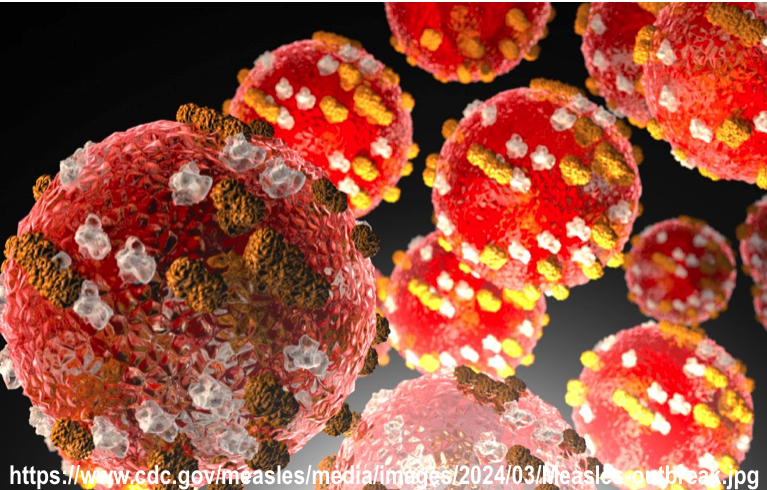

Company Fact Sheet


Meeta Vyas
Chief Financial Officer
Ms. Vyas was First Indian woman to be named CEO of a publicly listed US corporation
